The PMA Academy Global Mobility Professional Course
Challenge
Across organisations of all sizes, one pattern kept repeating itself. HR professionals were suddenly responsible for international assignments. Global Mobility juniors were managing complex cases with limited formal training. Tax or immigration specialists were working in silos without understanding the broader HR and talent context. Global Mobility had grown in importance — but structured entry-level education had not grown with it.
In many companies, people “learned on the job”. They navigated immigration rules, tax coordination, vendor management and employee questions by trial and error. They attended isolated webinars. They read policies. They asked colleagues. But there was no structured foundation.
This created uncertainty, slowed decision-making and increased compliance risk. And it limited professional confidence.
The issue was not intelligence or motivation. It was the absence of a holistic, practice-oriented learning journey that connected compliance, strategy, intercultural understanding, AI and stakeholder communication into one coherent capability framework.
The Underlying Problem
Most Global Mobility education focuses narrowly on compliance or relocation logistics. Yet real-world Global Mobility roles are broader. They require an understanding of tax and immigration — but also vendor steering, policy design, data interpretation, communication strategy, intercultural intelligence and increasingly AI enablement.
Without a structured overview of the full mobility lifecycle, professionals struggle to see the bigger picture. They may understand individual components — but not how everything connects.
This leads to reactive case handling instead of confident programme management. It prevents Global Mobility from being seen as a strategic HR capability.
Organisations needed more than isolated expertise. They needed well-rounded Global Mobility professionals.
The System: A Structured Learning Architecture for Modern Mobility
The PMA Academy Global Mobility Professional Course was designed as a complete eight-week online capability journey. Instead of compressing content into a one-day seminar, the programme unfolds in structured, bi-weekly live sessions combined with guided self-study, knowledge checks and digital learning resources.
Participants build competence step by step. Over ten modules, they move from foundational understanding to strategic application. They learn how international assignments function, how compliance works across social security, immigration and employment tax, how vendors are selected and managed, how mobility data informs decisions, how flexible work models reshape policies, and how intercultural intelligence drives assignment success.
They also explore how AI is changing Global Mobility workflows and how to build compelling business cases for senior stakeholders.
The format is fully online, allowing international participation while maintaining live interaction and peer exchange. Upon completion, participants receive a certificate that reflects a structured professional qualification — LinkedIn-ready and customisable if required.

Actors
The course was designed for Global Mobility juniors, HR professionals entering the mobility space, SME generalists managing international assignments, and specialists in tax, immigration or legal roles seeking a broader HR and strategic perspective.
The first cohort consisted of 12 participants from different organisational backgrounds. They shared one common ambition: to move from uncertainty to confidence in managing international workforce topics.
The Use Case: How PMA Academy Built Foundational Excellence
The learning journey begins with orientation. Participants explore the fundamentals of Global Mobility, current trends and the evolving role of HR in international workforce management.
From there, the programme dives into compliance fundamentals — immigration, social security and employment tax — delivered by practitioners from Deloitte who manage these issues daily.
Vendor management is addressed not as theory, but as a steering competence. Participants gain insight into the relocation, tax and immigration provider landscape and learn how to evaluate service quality and cost efficiency.
Data becomes a strategic tool through sessions led by AIRINC, where participants learn how to interpret mobility metrics and use them for informed decision-making.
Policy design and flexible work arrangements are explored with input from WorkFlex, bridging classic assignment structures with modern remote and hybrid models.
Intercultural intelligence, delivered by NetExpat, expands the lens beyond compliance toward human performance and collaboration across cultures.
AI enablement introduces participants to large language models, practical prompting and efficiency gains in mobility workflows — ensuring future-readiness.
Finally, storytelling and communication modules equip participants to articulate the value of Global Mobility to leadership and align mobility strategy with broader HR objectives. The result is not fragmented knowledge, but a coherent understanding of how Global Mobility operates as an integrated system.
What Changed in Practice
Before the programme, many participants approached cases cautiously. They relied heavily on colleagues or external providers for reassurance. Strategic conversations felt intimidating. After eight weeks, participants reported a noticeable shift. They understood how compliance topics interlinked. They could evaluate vendor input more critically. They interpreted mobility data with greater confidence. They communicated more clearly with stakeholders. Instead of reacting to individual cases, they began thinking in programme logic. Global Mobility stopped feeling like a series of isolated issues and started to feel like a manageable system.
Why This Works
The programme works because it balances breadth and depth. It does not overwhelm participants with technical detail alone. Nor does it remain at high-level strategy. Instead, it connects operational foundations with strategic awareness.
Learning is modular, structured and cumulative. Participants apply insights immediately to their own work while developing a long-term professional perspective. Importantly, lecturers are active practitioners — not academics removed from practice. This ensures relevance, realism and credibility.
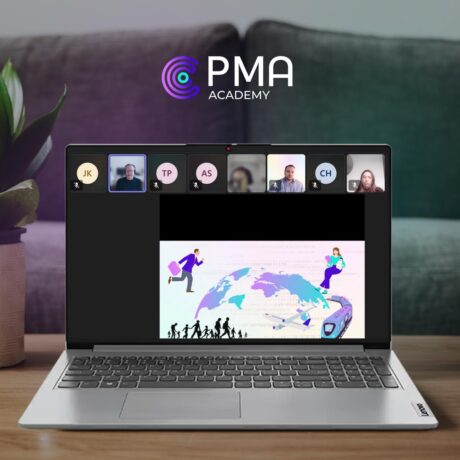
Results of the First Cohort of GM Pro Course
The first programme round, completed by 12 participants over eight weeks, demonstrated that structured education accelerates professional confidence. Participants left with a broader functional understanding and the ability to navigate international workforce topics independently. They developed:
- structured compliance understanding across immigration, employment tax and social security fundamentals
- holistic lifecycle awareness, understanding how policy, vendors, data, culture and strategy interconnect
- vendor steering capability, including how to select, evaluate and challenge external providers
- data literacy in Global Mobility, enabling them to interpret key metrics and use them in decision-making
- policy design competence, particularly in the context of flexible work, remote models and modern assignment structures
- intercultural awareness, strengthening their ability to support international assignees effectively
- AI readiness, including basic understanding of LLMs and practical use cases for efficiency gains
- strategic communication skills, allowing them to articulate the value of Global Mobility to HR and business leaders
- greater professional confidence, enabling more independent case handling and informed decision-making.
For their organisations, this meant reduced reliance on ad-hoc problem solving, improved quality in mobility case handling and stronger alignment between Global Mobility and HR strategy.
The programme created not just knowledge — but capability.
Why This Matters
Global Mobility is no longer a niche administrative topic. It sits at the intersection of compliance, talent strategy, employee experience and global growth. Organisations that rely on “learning by doing” risk inconsistency and knowledge gaps.
Structured foundational education builds resilient, confident professionals who can grow into future Global Mobility leaders. The PMA Academy Global Mobility Professional Course provides exactly that foundation.
Upcoming Courses & Participation
PMA Academy Global Mobility Professional Courses are offered online in a recurring format. For upcoming dates, please refer to the PMA Academy programme overview.
Authors:
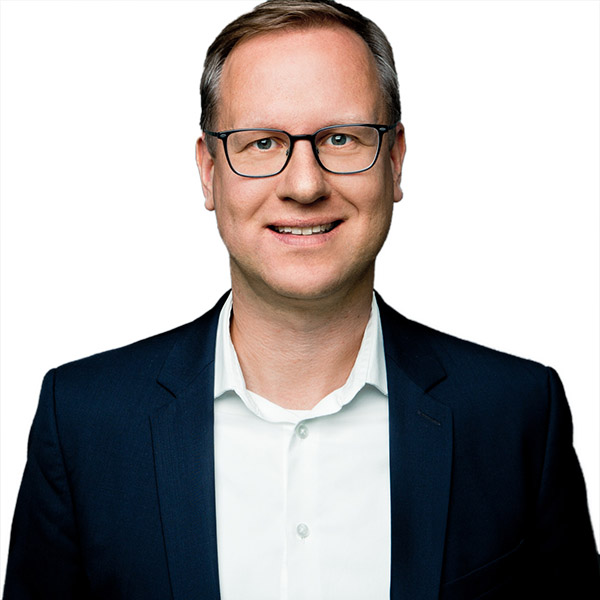
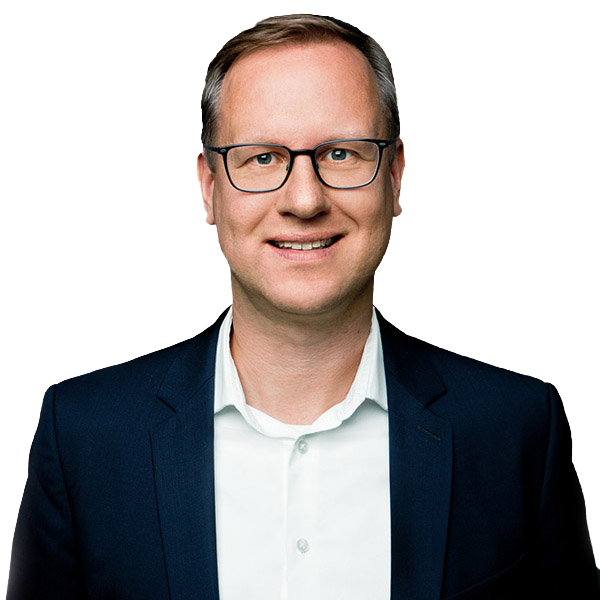
Daniel Zinner is an international HR expert, entrepreneur, and communications consultant. His expertise lies in HR, strategy, digitalisation, and transformation strategy.

Alexia Schmolling is the Head of Operations and Academy Lead at PMA. Her focus lies on Expat Management, Employee Health and international HRM. She brings valuable insights from her international experiences.