• Home
  • Consulting
    • AI Enablement
    • Vendor Ecosystem & RfP
    • Deel × PMA Global Payroll Series
  • Operational Delivery
    • Change Implementation Partner
    • Interim Management
  • Academy
    • Courses Overview
    • GM Professional
    • GM Expert
    • GM Leader
  • Resources
    • Content
    • Pet Mobility Award
    • PMA x Sports
  • Events
  • English

PMA Perspectives: Turning Global Mobility into a Strategic Force

A workshop reflection on power, visibility, and the uncomfortable questions GM must ask itself

Global Mobility has a strange problem. It is essential to business success, yet often excluded from the conversations that shape it. It manages enormous risk, yet struggles to be seen as a strategic function. It delivers value every day — and yet, when leadership looks around the room, GM is frequently not there.

Our recent workshop, The Power of Positioning: Turning GM into a Strategic Force, was designed to confront this paradox head-on. Co-hosted with MasteringGM, and supported by our partners Vialto, WorkFlex, and crossculture academy, the workshop brought together a diverse group of Global Mobility leaders over two days to explore how power, positioning, and organisational dynamics shape the role of GM and why operational excellence alone does not translate into strategic influence.

What emerged was not a set of tidy answers, but a series of uncomfortable questions. These are the questions Global Mobility professionals must be willing to ask — and answer — if the function is to move from order-taker to strategic force.

The Core Tension: Value Created vs. Value Seen 

Participants quickly identified a central disconnect. Global Mobility creates the value that business leaders need — talent deployed, assignments executed, compliance managed, families settled. But too often, that value remains invisible. 

This is not a capability problem. It is not a performance problem. It is a visibility problem. And invisible functions rarely shape strategy. They implement decisions made by others. 

The workshop surfaced a hard truth: if the Global Mobility function disappeared tomorrow, would senior leadership actually understand what had been lost? For many organisations, the answer is uncomfortable.

Who Really Decides? Mapping Power and Blockers

A significant portion of the workshop focused on a question that GM professionals often avoid: Who can block me? And equally important: Who really drives decisions?

Participants mapped the formal and informal power structures in their organisations. The findings were revealing. In many cases, the people who decide who gets sent on international assignments are not in Global Mobility. Managers decide. Business leaders decide. Sometimes decisions are made based on availability, personal relationships, or assumptions about who “fits”, not on strategic talent development or business alignment.

Global Mobility is then brought in after the decision has already been made. This is not partnership. It is administration.

The workshop challenged participants to confront this reality directly. Where is Global Mobility situated in the organisation? Does it sit under HR, under Finance, under Operations? Where it sits shapes what it can see, what it can influence, and what it can control. How much time does Global Mobility actually get in strategic meetings? For most, the answer is: not enough. And when GM is absent from those conversations, it cannot shape the decisions that matter.
The Stakeholder Question: Trusted Partner or Service Provider?

Global Mobility as a trusted partner? This was a phrase that resonated and also provoked scepticism. Trust is not granted. It is earned through consistent delivery, strategic insight, and relational capital. 

But trust also requires understanding. Participants explored the role perception of stakeholders. What do business leaders think Global Mobility does? What do HR partners think? What does Talent Management think? The answers varied — and often revealed misalignment. 

This led to one of the workshop’s most important conclusions: Global Mobility must break out of its internal perspective and connect with Talent Management. The two functions are deeply interdependent. Talent needs mobility to develop leaders, fill critical roles, and build global capability. Mobility needs Talent to ensure that assignments are driven by strategic workforce planning — not ad hoc decisions. 

Without this connection, Global Mobility remains trapped in execution mode, processing moves rather than shaping the talent strategy that drives them.

The Resource Reality: Competing with Other Functions 

What resources does Global Mobility have? And just as importantly: What resources does it need? 

Participants were honest about the constraints. Global Mobility competes with other functions for budget, for attention, for headcount. It is often under-resourced relative to the complexity of what it manages, e.g. immigration, tax, relocation, compliance, family support, risk. 

Global Mobility must deliver. That is non-negotiable. But it must also be given the resources to deliver strategically, not just operationally. The workshop explored how GM can make the case for investment by linking its work to business outcomes, not just cost per assignment, but time-to-productivity, retention of internationally experienced talent, and leadership pipeline development.

The Information Question: What Do You Know and Who Knows It?

What information does Global Mobility have? This question revealed another layer of the positioning challenge. 

Global Mobility sits on a wealth of data: who is moving where, why, at what cost, with what success rates. But too often, that data is not aggregated, not analysed, and not communicated in a language that business leaders understand. 

The workshop challenged participants to move beyond operational reporting. Communication about the objective is decisive. If Global Mobility cannot articulate what it is trying to achieve — in business terms — then it cannot expect others to value it.

Unusual Measures for Visibility

One of the workshop’s most provocative discussions centred on a difficult truth: Global Mobility requires unusual measures to gain visibility. 

Working harder does not make the function more visible. Operational excellence, paradoxically, can make Global Mobility less visible, because when things run smoothly, no one notices the expertise behind the process. 

Visibility requires deliberate action. It requires putting the function in rooms where it is not expected. It requires telling stories about consequences, not just activities. It requires building alliances with stakeholders who can advocate for Global Mobility when GM is not in the room. 

Global Mobility as a trusted partner? Yes, but only if GM is willing to fight for that position. 

The Simulation: Experiencing Power Firsthand

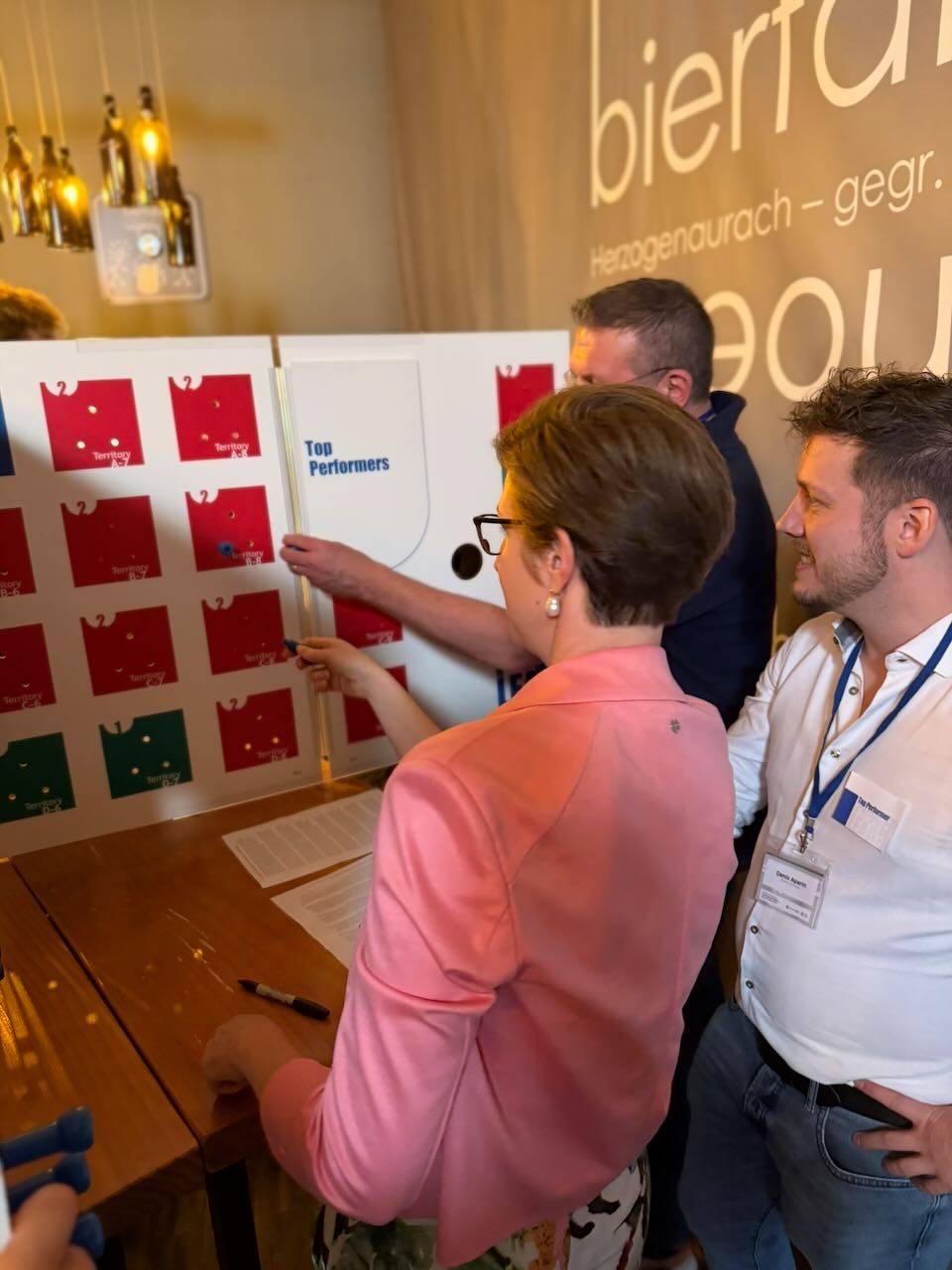
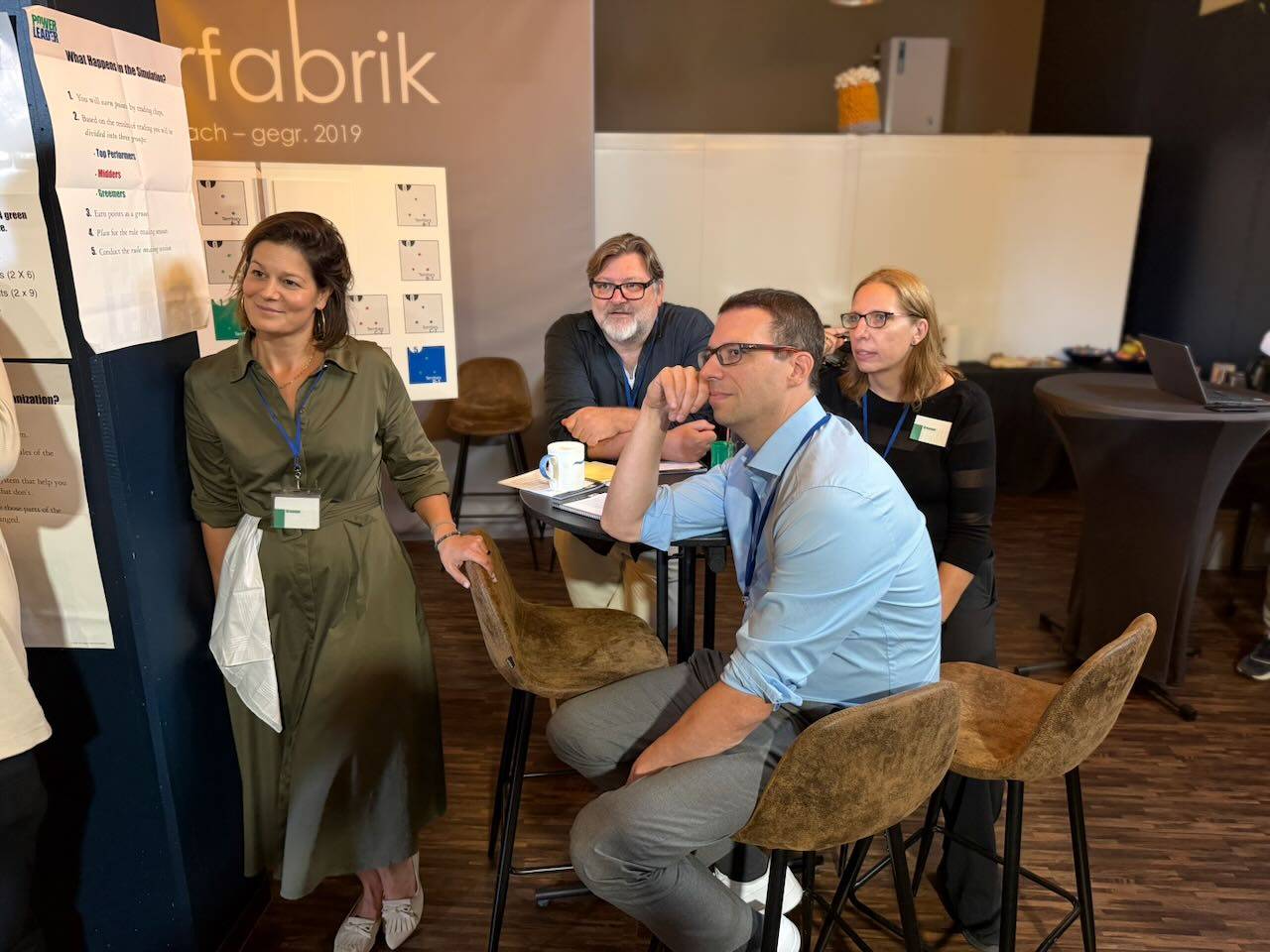
At the heart of the workshop was a high-impact simulation game. Participants actively engaged in running a complex system, experienced shifting power structures, and saw firsthand how decisions are shaped by influence, relationships, and positioning rather than formal roles. 

The simulation revealed what no lecture could: the emotional reality of power dynamics. Who gets heard? Who gets ignored? Who has the information, and who is left guessing? What power plays is Global Mobility subject to? And just as importantly: What power does Global Mobility itself hold and how can it be used? 

The Uncomfortable Conclusion

The workshop did not end with easy answers. It ended with a clearer understanding of the questions. 

What design options does Global Mobility have? More than it thinks — but only if it is willing to move beyond policy administration and into strategic partnership. 

Global Mobility must deliver. Yes. But it must also be positioned to deliver. And positioning is not something that happens to a function. It is something a function does. 

Stakeholder management decides. This was perhaps the workshop’s clearest takeaway. The future of Global Mobility will not be determined by the quality of its policies alone. It will be determined by the quality of its relationships, the strength of its positioning, and its willingness to claim a seat at the table and then use it. 

The Power of Positioning is not a workshop about doing Global Mobility better. It is a workshop about being seen, heard, and valued for what Global Mobility already does. That is a different challenge. And it requires a different kind of courage. 
Thank You to Our Partners

This workshop would not have been possible without the generous support of our partners. A heartfelt thank you to Vialto, WorkFlex, and CrossCulture Academy. Your commitment to advancing the Global Mobility profession makes events like this possible. 

And to our co-host MasteringGM: thank you for the partnership, the shared vision, and the energy you brought to this collaboration. We look forward to what we build together next. 

Ready to Move from Operational Excellence to Strategic Influence? 

The questions raised in this workshop are not easy ones. But they are the right ones, and you don’t have to answer them alone. 

The PMA Academy Global Mobility Leader course is designed for senior professionals who are ready to lead with impact. Delivered through hands-on, small-group workshops, it gives you the space to test ideas, develop solutions, and collaborate with peers facing similar leadership-level challenges. 

You’ll leave not just informed but equipped with draft solutions you can use in your organisation straight away, from strategic positioning tools and communication skills for influence to your own personal GM leadership playbook. 

Explore the Global Mobility Leader course

Stefan Remhof is Managing Partner of the People Mobility Alliance and Professor of International Management at IU International University. He possesses extensive expertise in global mobility, expat management, and international assignments.

Previous Post
PMA Perspectives: When Global Mobility Plays in a Different League

Running Global Mobility Vendor Tenders with Caddygo

September 17, 2026

Unblocked: How to Build the Case for a New Mobility Vendor

September 11, 2026

AI in Global Mobility: Optimise or Build?

September 4, 2026

Building a Foundation in Global Mobility

August 12, 2026

Transforming Global Mobility with ARKONE

July 24, 2026

Data‑driven Global Mobility: Why HR is still flying blind

July 8, 2026

Ep.61: The Hidden Costs of Culture Shock and the Rise of Cultural Navigators

July 7, 2026

The Power of Positioning: Turning GM into a Strategic Force

July 6, 2026

Status quo and future development of international assignments and Local+ employments

July 1, 2026

3rd International HR Tech Conference

June 9, 2026

© 2021-2026

LinkedIn
Instagram
YouTube
  • Imprint
  • Privacy Policy

People Mobility Alliance

Guy Perraudeau

Global Mobility Strategist & Emerging Leader Developer | Heilbronn, Germany

Guy is an HR Global Mobility expert with 18+ years of experience working on talent strategies in global organisations. Through senior roles in Big4 consulting and as Head of Global Mobility at Schwarz Group, he has been closely involved in large-scale transformation, growth initiatives, and long-term talent and business decisions. His investment perspective is shaped by a strong belief in globally minded leadership, sustainable growth, and organisations that use mobility and people strategy as levers for long-term value creation. Guy offers a wealth of knowledge in transforming operational functions into strategic business partners with a global vision.

LinkedIn

Anas Abdi

Business Development Manager

Anas has a background in economics and discovered his passion for the Global Mobility industry a few years ago. With experience at a Big Four, he brings valuable expertise as a consultant. At PMA, he will support the streamlining of our operations and contribute to growth through his active role in sales and business development.

LinkedIn

Ayesha Khan

Marketing & Event Manager

Khan is a data-driven marketing professional with expertise in performance marketing, analytics, and digital strategy. She focuses on optimising marketing campaigns, enhancing audience engagement, and driving business growth. With a background in Marketing
and Finance, Ayesha leverages data insights to develop effective strategies and deliver measurable results. She is currently pursuing her MSc in International Information Systems at FAU in Germany, integrating technology with marketing to drive innovation
and growth.

LinkedIn

Sustainability

Sustainability faces challenges such as reducing environmental impact while maintaining operational efficiency, adapting to evolving regulatory requirements, and fostering a company-wide commitment to sustainable practices. Balancing short-term business goals with long-term environmental responsibility can be complex, as can tracking and measuring progress toward sustainability targets. Engaging employees at all levels to adopt sustainable habits and practices requires ongoing education and leadership support.

Our consulting approach on sustainability focuses on helping organisations integrate sustainable practices into their operations. Our consultants provide training on reducing environmental impact, optimising resource use, and meeting regulatory standards. We assist in developing sustainability strategies that align with company goals while fostering a culture of environmental responsibility. Through the learning of sustainable habits and continuous support, we help organisations track progress, engage employees, and achieve tangible sustainability outcomes.

Expat Wellbeing

Expat wellbeing faces challenges such as adapting to new cultures, managing isolation, and balancing work-life dynamics in an unfamiliar environment. Expatriates often struggle with the loss of familiar social networks, language barriers, and cultural differences, which can lead to stress and burnout. Ensuring mental and physical well-being while navigating different healthcare systems and support structures adds complexity to the expatriate experience.

Our consulting approach on expat wellbeing focuses on providing comprehensive support to ensure expatriates thrive in their new environment. Our consultants offer resources and training to enhance cultural adaptation, promote mental resilience, and improve work-life balance. We help organisations implement wellness programs, foster strong support networks, and establish open communication channels. This approach strengthens expatriate well-being, increases job satisfaction, and enhances overall performance abroad.

Cultural Awareness

Cultural awareness faces challenges like overcoming unconscious biases and stereotypes that can hinder understanding and inclusion. Communicating effectively across different cultures can be complex due to language barriers and varying norms. Misinterpretations of behaviors or traditions may lead to conflict or offense. Integrating diverse cultural perspectives into decision-making can be difficult, and there’s the challenge of ensuring all employees feel respected and valued, which requires ongoing education and open dialogue.

Our consulting approach on cultural awareness involves guiding organisations to recognise and respect diverse cultural perspectives. Our consultants provide training to overcome biases, improve cross-cultural communication, and foster an inclusive environment. We help develop policies and practices that integrate diverse viewpoints into decision-making. Additionally, our consultants facilitate open dialogue and continuous learning, ensuring all employees feel respected and valued. This approach enhances collaboration, reduces conflicts, and supports a more cohesive workplace culture.

Local ecosystem connections

Local ecosystem building faces challenges like limited resources, including funding and talent, which can hinder growth. Fragmented networks and poor collaboration between stakeholders often lead to inefficiencies. There’s also a lack of trust and shared vision among participants. Regulatory hurdles and slow policy adaptation can stifle innovation. Additionally, small markets may struggle to attract investors and scale, while cultural resistance to change can impede progress.

Our consulting approach on local ecosystem connections involves helping organisations build and strengthen relationships within their community. Our consultants identify key stakeholders, such as local businesses, government entities, and nonprofits, and create strategies to foster collaboration and mutual support. We facilitate networking opportunities, promote knowledge sharing, and help align the organisation’s goals with community needs. Additionally, we assist in leveraging local resources, enhancing the organization’s reputation, and driving sustainable growth within the local ecosystem.

People-Focused Approach

A people-focused approach faces challenges such as balancing individual needs with organisational goals, which can lead to conflicting priorities. Ensuring consistent and fair treatment while accommodating diverse employee needs can be complex. Managing varying expectations and maintaining engagement across different personality types requires nuanced strategies. Additionally, measuring the impact of people-focused initiatives on overall performance and adjusting approaches based on feedback can be challenging. Ensuring resources are allocated effectively to support people-centered practices is also crucial.

Our consulting approach on a people-focused approach involves assessing organisational culture and individual needs to create strategies that prioritise employee well-being and engagement. Our consultants design tailored initiatives that align personal goals with business objectives, ensuring fairness and consistency. They facilitate effective communication, provide training, and support leadership in fostering a positive work environment. Our consultants also help measure the impact of people-focused practices, adjust strategies based on feedback, and optimise resource allocation to enhance overall effectiveness.

Change Management

HR change management faces challenges like employee resistance, where fear of the unknown or discomfort with new processes can hinder acceptance. Communication breakdowns can lead to misunderstandings and decreased morale. Aligning leadership and getting their buy-in is critical but can be difficult. Managing the pace of change to avoid overwhelming staff, addressing skill gaps through training, and maintaining productivity during transitions are also significant hurdles. Additionally, measuring the effectiveness of change and making necessary adjustments is an ongoing challenge.

Our consulting approach on change management involves guiding organisations through transitions by developing strategies to address resistance, ensuring clear and consistent communication, and aligning leadership with change objectives. Our consultants design tailored training programs to close skill gaps and support employee adaptation. We help manage the pace of change to minimize disruption, maintain productivity, and implement metrics to measure success. Continuous feedback and adjustments are made to ensure a smooth and effective transformation.

HR Digitalisation Project Implementation

Implementing HR digitalisation projects faces challenges like resistance to change, where employees may fear job displacement or struggle with new systems. Integrating new digital tools with existing legacy systems can be complex and costly. Ensuring data security and privacy compliance is critical, especially with sensitive employee information. Additionally, inadequate training and support can hinder adoption, while managing the project’s scope, budget, and timeline adds further pressure to successful implementation.

Our consulting approach on HR digitalisation projects involves addressing key challenges such as resistance to change by fostering a culture of openness and providing clear communication about the benefits and support available. Our consultants help ensure a smooth integration of new tools with legacy systems, minimising disruption and costs. We emphasise data security and privacy compliance, crucial for protecting sensitive employee information. Our effective training programs are designed to enhance user adoption, and consultants meticulously manage the project scope, budget, and timeline to ensure successful implementation.

Tech Vendor Screening

Tech vendor screening presents challenges like assessing vendor reliability, as companies must evaluate a vendor’s financial stability, reputation, and track record. Identifying the right fit requires aligning the vendor’s offerings with business needs, which can be difficult with technical complexities. Data security is a critical concern, demanding thorough scrutiny of the vendor’s security practices. Additionally, there’s the challenge of managing vendor lock-in risks and negotiating favorable contract terms.

Our consulting approach on tech vendor screening involves guiding businesses through selecting the best vendors by assessing their offerings, reliability, and compatibility with the organisation’s needs. Our consultants evaluate vendors’ financial stability, scalability, and long-term viability. We also ensure compliance with industry regulations, focus on data security, and mitigate the risk of vendor lock-in. Additionally, our consultants help align vendor choices with the company’s budget and growth strategies, ensuring a tailored, sustainable partnership.

Tech Vendor Selection

Selecting the right tech vendor poses challenges such as navigating a crowded market with numerous options, making it hard to distinguish between similar offerings. There’s a risk of vendor lock-in, where future flexibility is compromised. Assessing the vendor’s reliability, financial stability, and long-term viability is crucial. Compatibility with existing systems, data security, and compliance with regulations are also key concerns. Budget constraints and ensuring the vendor can scale with business growth further complicate the decision.

Our consulting approach on tech vendor selection involves helping organisations choose the best vendor to meet their specific needs. Consultants assess business requirements, compare vendors, and evaluate their offerings for compatibility, scalability, and security. Our consultants consider the vendor’s reputation, financial health, and customer support. We also negotiate contracts to avoid vendor lock-in and ensure cost-effectiveness. The goal is to align vendor capabilities with long-term business strategies, reducing risks and ensuring value.

Global Talent Pools

Global talent pools present challenges such as managing diverse skill sets, cultural differences, and varying educational standards. Time zone disparities can hinder collaboration, while legal and regulatory differences complicate employment contracts and compliance. Language barriers may affect communication and integration. Additionally, ensuring equitable opportunities and managing compensation across regions are difficult. Competition for top talent is intense, making retention a critical issue.

Our consulting approach on global talent pools involves helping organisations source, attract, and manage talent from diverse regions. It requires strategies for navigating cultural differences, ensuring compliance with local labor laws, and overcoming language barriers. Our consultants guide on optimising remote work, aligning global talent with business needs, and fostering collaboration across time zones. We also focus on creating equitable opportunities, competitive compensation packages, and effective retention strategies in a global context.

Global People Collaboration

Global People Collaboration faces challenges such as coordinating across time zones, overcoming language barriers, and aligning different work styles and cultural expectations. Teams often struggle with maintaining clear communication and fostering trust in remote, cross-border environments. Misunderstandings can arise due to cultural differences, which may hinder collaboration and decision-making. Additionally, managing virtual teams can complicate relationship-building and team cohesion, leading to a lack of engagement and reduced productivity.

Our consulting approach to global people collaboration focuses on helping organisations enhance communication, trust, and teamwork in multinational environments. Our consultants provide training on effective virtual collaboration, cultural sensitivity, and inclusive communication strategies. We assist in developing processes that encourage knowledge sharing and cross-cultural understanding, ensuring that teams are aligned in their goals and can work efficiently across borders. This approach fosters stronger relationships, increases engagement, and drives productivity, creating a more connected and effective global workforce.

Global Mindset

The challenges of a global mindset include navigating cultural differences, language barriers, and varying business practices, which can lead to misunderstandings and conflicts. Additionally, managing diverse teams requires sensitivity and adaptability to different communication styles and expectations. Balancing global strategies with local needs can be complex, and staying informed about international regulations, economic conditions, and political climates adds further complexity to decision-making processes.

Our consulting approach on global mindset involves guiding organisations to embrace cultural diversity, fostering cross-cultural communication, and aligning global strategies with local practices. We help teams to navigate international markets, adapt to varying regulations, and manage diverse teams effectively. Our consultants also emphasise the importance of cultural sensitivity, inclusivity, and adaptability in leadership to ensure successful global operations and sustainable growth.

International Talent Development

International talent development faces challenges like cultural differences, language barriers, and varying educational backgrounds, which affect training and communication. Aligning development programs with local norms while maintaining global standards is difficult. Differences in work ethics, leadership styles, and career expectations complicate talent retention and growth. Additionally, logistical issues like time zones and technology access can hinder the implementation of consistent development initiatives.

Our consulting approach on international talent development involves creating tailored strategies that respect cultural differences and align with global business goals. This includes designing cross-cultural training programs, leadership development initiatives, and succession planning. Our consultants address language barriers, diverse learning preferences, and varying educational backgrounds. They also advise on retaining top talent, ensuring global consistency in skills development, and leveraging technology to deliver effective training across regions.

Global Workforce Management

Global workforce management faces challenges like cultural differences, varying labour laws, time zone coordination, and communication barriers. It also involves managing remote teams, ensuring consistent training, addressing different work ethics, and navigating political and economic instability.

Our consulting approach helps to balance global policies. This involves advising on cross-cultural communication, aligning global and local HR policies, and navigating diverse labour laws. Our team offers strategies for managing the complexities of remote teams, optimising talent acquisition, and ensuring compliance with international regulations. Our consultants also address challenges in employee engagement, leadership development, and compensation strategies. We help organisations to effectively manage a diverse, global workforce while maintaining productivity and cohesion.

    You want to become a partner?

      International People Tech Award

      You have an innovative service/ product and you need exposure? Don't miss this opportunity to pitch your innovation and gain exposure in front of HR experts!

      Alexia Schmolling

      Head of Operations & PMA Academy Lead

      Alexia is a Project Consultant who joined the PMA in 2024. Her focus lies on international HRM, expat management and mental health. She is responsible for content and partner management, and brings valuable insights from her international experience.

      LinkedIn

      Join us

      The members of the People Mobility Alliance are united by the same passion: fostering cultural diversity and embracing technological advancement.
      We welcome everyone who is open to new perspectives, likes to give and receive new ideas and who will therefore help shape this Alliance. Find like-minded people and exchange ideas about relevant topics, such as HR strategy, digitization, transformation processes and more. Most importantly, help drive change in how People Mobility is performed. Join today.

        Join us

          [group role][/group]

          Stefan Remhof

          Managing Partner

          Stefan joined the People Mobility Alliance at the beginning of 2023. He brings valuable insights into the academic side of People Mobility into the Alliance. Together with co-founders Daniel and Mira he is part of the PMA Management team.

          LinkedIn

          Mira Pathak

          Co-Founder

          Mira currently works for AIRINC in Germany and has been working in Global Mobility since 2006. Of German-Indian origin, she has lived and worked in different countries but spent the majority of her working life in London before moving back to her native Germany in 2019. She believes that personal connection and experiences are the key to successful business interactions. And that even in business, it’s the person behind the employee that makes all the difference.

          LinkedIn

          Daniel Zinner

          Co-founder

          Daniel is a global workforce consultant, podcaster and investor. Cultural diversity and global collaboration have been his passion for more than 20 years. He has worked in Global Mobility for various corporations in many different countries, but is currently based in Berlin, where he enjoys the city’s creativity, diversity and open mindset.

          LinkedIn

          Newsletter