• Home
  • Consulting
    • Implementation Partner
    • Interim Management
    • Request for Proposal (RfP)
    • Deel × PMA Global Payroll Series
  • Academy
    • Courses Overview
    • GM Professional
    • GM Expert
    • GM Leader
  • Resources
    • Content
    • Pet Mobility Award
    • PMA x Sports
  • Events
  • English

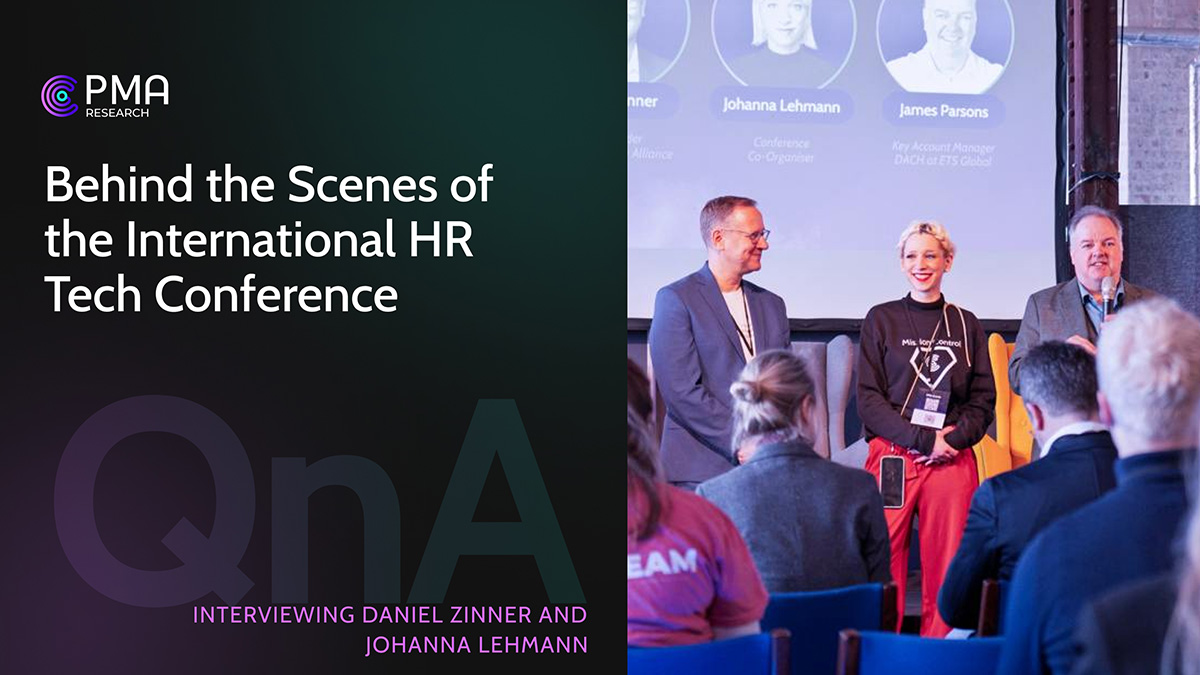
Behind the Scenes of the International HR Tech Conference

With PMA Co-Organisers Johanna Lehmann & Daniel Zinner

What is the overarching mission and vision behind the International HR Tech Conference?
Johanna:
The core mission of the International HR Tech Conference is to create a space where HR, Global Mobility and technology truly come together in a meaningful way. We want to drive conversations that move beyond buzzwords and instead focus on how digital transformation can be human-centred, practical and sustainable. At its heart, the conference is about making global people collaboration more accessible, scalable and future-proof.
Daniel:
For me, it’s about building an international community where experts from different disciplines — HR, Global Mobility, tech and leadership — collaborate and build bridges between their worlds. Innovation is important, but performance only comes when people feel connected and understood. We want this event to become a true annual lighthouse for the HR and Global Mobility ecosystem — a moment at the end of the year where professionals can reflect on what has happened and shape what comes next.
How has the conference evolved from last year to this year?
Johanna:
As it was my first time as a co-organiser it truly surprised me how far we’ve come within such a short time especially in terms of the people who joined us as speakers and partners. We were able to attract incredibly high-calibre experts who supported the conference with their expertise and genuine goodwill, not because they had to, but because they believed in the idea. There were several moments where I thought: This has exceeded what I imagined - and even what I thought we were capable of at this stage.
Daniel:
Last year we were starting a conversation. This year we were building a movement. The partnerships became stronger, the formats more interactive and the agenda more mature. The industry is clearly ready for more honest, more courageous discussions — and we’re proud that the conference is becoming a space where those conversations can happen.
What was your biggest personal learning from this year’s edition?
Johanna:
I learned that true collaboration requires vulnerability. Speakers and participants didn’t come with polished success stories — they shared real struggles and open questions. I also realised how much resilience and flexibility hybrid events require, and how quickly communities grow when people feel safe enough to ask difficult questions.
Daniel:
One of my biggest takeaways was that while technology enables global connection, it’s human adaptability that keeps everything moving when things go wrong. You could really feel that HR is shifting from a support function into a strategic powerhouse — and the appetite for practical, implementable solutions is stronger than ever.
What was your favourite moment or highlight of the event?
Johanna:
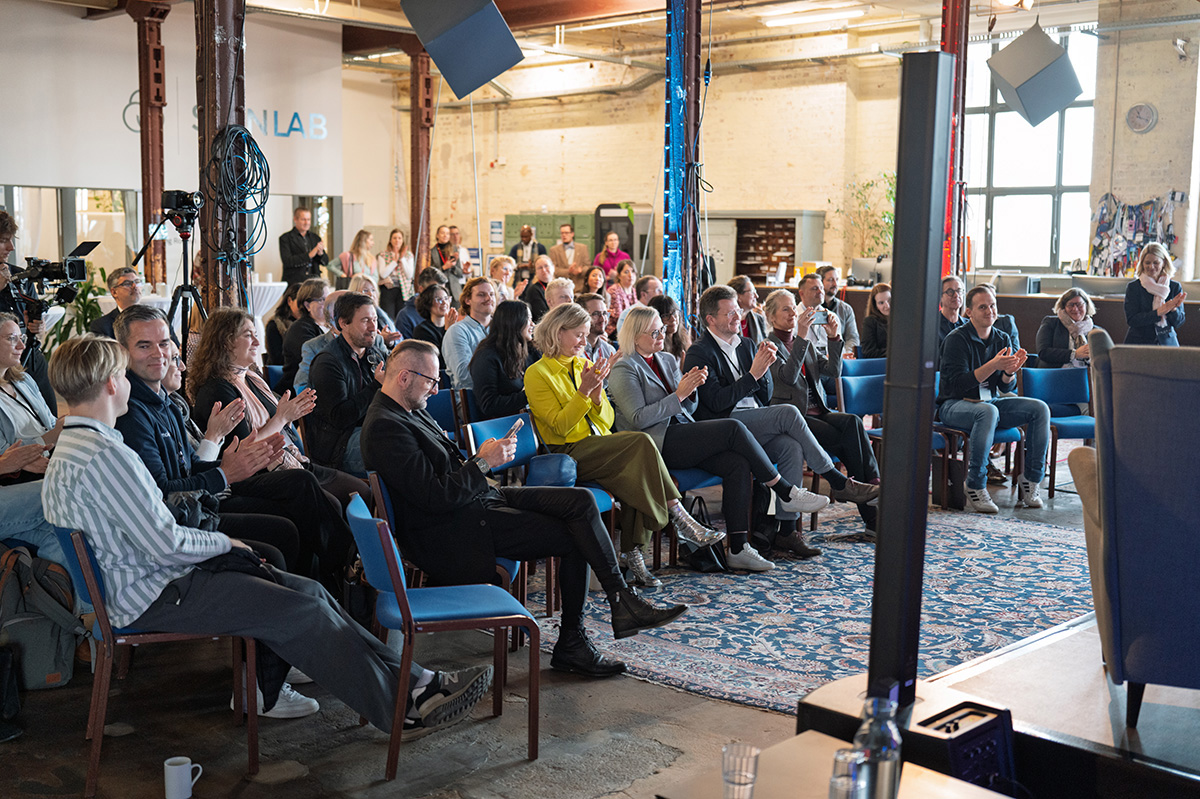
The energy in the workshops was incredible — people were genuinely working together to solve problems. I also loved seeing participants continue conversations with speakers long after sessions had ended. You could really feel the community deepening.
Daniel:
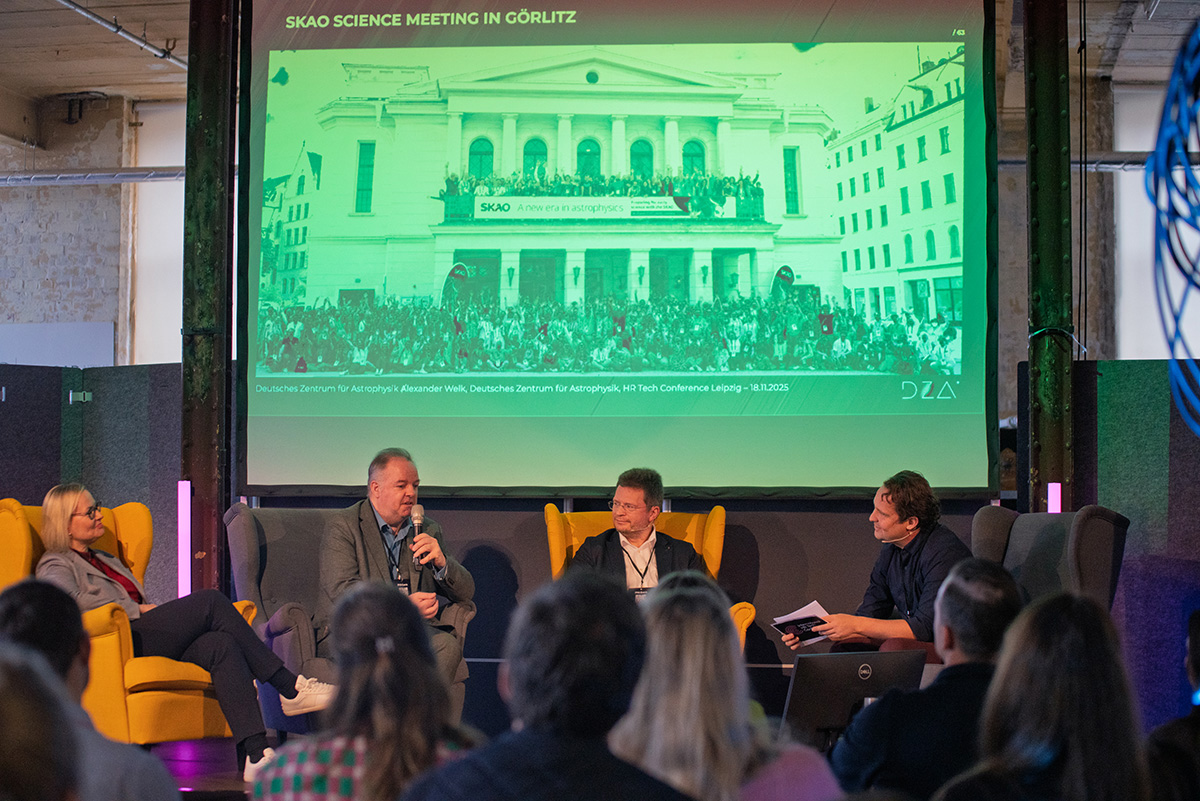
The People Tech Awards were a special moment — celebrating innovators who are shaping the future. The Transfermarket panel was another highlight, as it was such a powerful metaphor for international performance and competition. And honestly, one of the most touching moments came after the event, when participants reached out to praise the atmosphere, the food and the depth of the conversations.
What surprised you the most this year?
Johanna:
I was surprised by how quickly people opened up about their biggest challenges. One of my highlights was realising that some of our partner connections went far beyond classic partnerships. We could feel that trust was forming - and a collaboration that is built on honesty, openness and shared values. And despite their differences, startups and large multinationals were facing remarkably similar issues.
Daniel:
The strength of the community stood out — many participants returned from last year, and many new partnerships formed during and even after the event. There’s a real shared commitment to making HR Tech more human and more accessible.
What do you hope participants take away from the conference?
Johanna:
I hope they leave with the confidence to experiment, practical tools they can use immediately, and a sense of belonging to an international community of people who truly care about shaping the future.
Daniel:
I want them to believe that innovation in HR starts with people, not technology. I hope they feel encouraged to challenge outdated structures, build better processes, and form new collaborations that turn ideas into real impact.
What kind of feedback did you receive from the attendees so far?
Johanna:
Many people told us how much they appreciated the specialised mix of Global Mobility, HR and Tech professionals — working together on the same challenges and goals created a very strong sense of relevance.
Daniel:
The attendees really enjoyed having a shared space to discuss current challenges. We received a lot of positive feedback about the atmosphere, the choice of topics — and, of course, the food.
The Cloudflare outage affected the online edition. What did this challenge teach you?
Johanna:
Because our new AI-built event app was also affected, the outage impacted both the online and onsite experience. Even so, I still believe it was the right decision to build and test our own platform. It showed that even the best tools can fail — what matters is how you respond. Because the event was clearly time-boxed and well framed, we were able to communicate transparently and handle the situation calmly and professionally. For me, that proved that innovation is worth it, even when things go wrong.
Daniel:
It highlighted how important digital resilience is in HR Tech. It also reinforced our commitment to improving our hybrid infrastructure. Interestingly, it even sparked new ideas for webinars and research around digital failure readiness — a topic we’ll prioritise in the future.
What are your expectations and ambitions for next year’s edition?
Johanna:
I would love to see a stronger international presence, with more multilingual content and a deeper focus on AI ethics, global compliance and digital resilience. We also want to make the formats even more interactive and community-driven.
Daniel:
Our ambition is to scale the event while keeping its intimate, collaborative feel. We want to collaborate more with the broader event ecosystem — for example through partnerships with conferences like WeAreDevelopers. And we want to expand the online edition with better infrastructure and new engagement tools, positioning the conference as the go-to platform for shaping the future of Global Mobility and HR Tech.

Authors:

Johanna Lehmann is a New Work consultant and leadership trainer. She supports teams and organisations through transformation with a focus on collaboration, clarity, and culture.
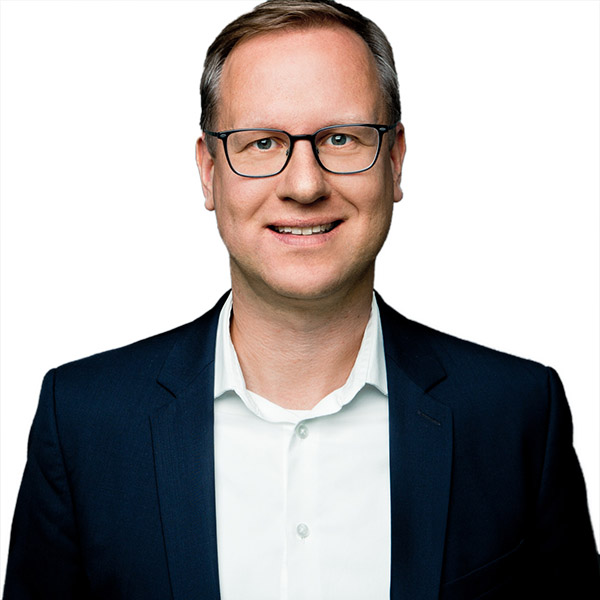
Daniel Zinner is an international HR expert, entrepreneur, and communications consultant. His expertise lies in HR, strategy, digitalisation, and transformation strategy.

Alexia Schmolling is the Head of Operations and Academy Lead at PMA. Her focus lies on Expat Management, Employee Health and international HRM. She brings valuable insights from her international experiences.

Previous Post
Elevating the Art of Business Success Across Cultures

Why Pets Belong at the Heart of Global Mobility

January 30, 2026

PMA Perspectives: AI Enablement in Corporate Functions

January 22, 2026

Global Payroll Audits: The Hidden Backbone of Compliance and Trust

January 10, 2026

Choosing the Right Global Payroll Partner: A Smarter Way Forward

January 10, 2026

Where Compliance Meets Strategy in Global Payroll

January 10, 2026

PMA Perspectives: The Biggest Takeaways from the Second International HR Tech Conference

January 8, 2026

PMA Perspectives: One Week of Long-Term Impact: PMA at WERC Global 2025

December 8, 2025

PMA Perspectives: Futureproofing Global Mobility

November 3, 2025

Integration Factors of Expats in the Workplace

October 22, 2025

How Global Strategy helps solve the Skilled Labour Shortage

October 9, 2025
  • Imprint
  • Privacy Policy

© 2021-2026

Guy Perraudeau

Global Mobility Strategist & Emerging Leader Developer | Heilbronn, Germany

Guy is an HR Global Mobility expert with 18+ years of experience working on talent strategies in global organisations. Through senior roles in Big4 consulting and as Head of Global Mobility at Schwarz Group, he has been closely involved in large-scale transformation, growth initiatives, and long-term talent and business decisions. His investment perspective is shaped by a strong belief in globally minded leadership, sustainable growth, and organisations that use mobility and people strategy as levers for long-term value creation. Guy offers a wealth of knowledge in transforming operational functions into strategic business partners with a global vision.

LinkedIn

Anas Abdi

Business Development Manager

Anas has a background in economics and discovered his passion for the Global Mobility industry a few years ago. With experience at a Big Four, he brings valuable expertise as a consultant. At PMA, he will support the streamlining of our operations and contribute to growth through his active role in sales and business development.

LinkedIn

Ayesha Khan

Marketing & Event Manager

Khan is a data-driven marketing professional with expertise in performance marketing, analytics, and digital strategy. She focuses on optimising marketing campaigns, enhancing audience engagement, and driving business growth. With a background in Marketing
and Finance, Ayesha leverages data insights to develop effective strategies and deliver measurable results. She is currently pursuing her MSc in International Information Systems at FAU in Germany, integrating technology with marketing to drive innovation
and growth.

LinkedIn

Sustainability

Sustainability faces challenges such as reducing environmental impact while maintaining operational efficiency, adapting to evolving regulatory requirements, and fostering a company-wide commitment to sustainable practices. Balancing short-term business goals with long-term environmental responsibility can be complex, as can tracking and measuring progress toward sustainability targets. Engaging employees at all levels to adopt sustainable habits and practices requires ongoing education and leadership support.

Our consulting approach on sustainability focuses on helping organisations integrate sustainable practices into their operations. Our consultants provide training on reducing environmental impact, optimising resource use, and meeting regulatory standards. We assist in developing sustainability strategies that align with company goals while fostering a culture of environmental responsibility. Through the learning of sustainable habits and continuous support, we help organisations track progress, engage employees, and achieve tangible sustainability outcomes.

Expat Wellbeing

Expat wellbeing faces challenges such as adapting to new cultures, managing isolation, and balancing work-life dynamics in an unfamiliar environment. Expatriates often struggle with the loss of familiar social networks, language barriers, and cultural differences, which can lead to stress and burnout. Ensuring mental and physical well-being while navigating different healthcare systems and support structures adds complexity to the expatriate experience.

Our consulting approach on expat wellbeing focuses on providing comprehensive support to ensure expatriates thrive in their new environment. Our consultants offer resources and training to enhance cultural adaptation, promote mental resilience, and improve work-life balance. We help organisations implement wellness programs, foster strong support networks, and establish open communication channels. This approach strengthens expatriate well-being, increases job satisfaction, and enhances overall performance abroad.

Cultural Awareness

Cultural awareness faces challenges like overcoming unconscious biases and stereotypes that can hinder understanding and inclusion. Communicating effectively across different cultures can be complex due to language barriers and varying norms. Misinterpretations of behaviors or traditions may lead to conflict or offense. Integrating diverse cultural perspectives into decision-making can be difficult, and there’s the challenge of ensuring all employees feel respected and valued, which requires ongoing education and open dialogue.

Our consulting approach on cultural awareness involves guiding organisations to recognise and respect diverse cultural perspectives. Our consultants provide training to overcome biases, improve cross-cultural communication, and foster an inclusive environment. We help develop policies and practices that integrate diverse viewpoints into decision-making. Additionally, our consultants facilitate open dialogue and continuous learning, ensuring all employees feel respected and valued. This approach enhances collaboration, reduces conflicts, and supports a more cohesive workplace culture.

Local ecosystem connections

Local ecosystem building faces challenges like limited resources, including funding and talent, which can hinder growth. Fragmented networks and poor collaboration between stakeholders often lead to inefficiencies. There’s also a lack of trust and shared vision among participants. Regulatory hurdles and slow policy adaptation can stifle innovation. Additionally, small markets may struggle to attract investors and scale, while cultural resistance to change can impede progress.

Our consulting approach on local ecosystem connections involves helping organisations build and strengthen relationships within their community. Our consultants identify key stakeholders, such as local businesses, government entities, and nonprofits, and create strategies to foster collaboration and mutual support. We facilitate networking opportunities, promote knowledge sharing, and help align the organisation’s goals with community needs. Additionally, we assist in leveraging local resources, enhancing the organization’s reputation, and driving sustainable growth within the local ecosystem.

People-Focused Approach

A people-focused approach faces challenges such as balancing individual needs with organisational goals, which can lead to conflicting priorities. Ensuring consistent and fair treatment while accommodating diverse employee needs can be complex. Managing varying expectations and maintaining engagement across different personality types requires nuanced strategies. Additionally, measuring the impact of people-focused initiatives on overall performance and adjusting approaches based on feedback can be challenging. Ensuring resources are allocated effectively to support people-centered practices is also crucial.

Our consulting approach on a people-focused approach involves assessing organisational culture and individual needs to create strategies that prioritise employee well-being and engagement. Our consultants design tailored initiatives that align personal goals with business objectives, ensuring fairness and consistency. They facilitate effective communication, provide training, and support leadership in fostering a positive work environment. Our consultants also help measure the impact of people-focused practices, adjust strategies based on feedback, and optimise resource allocation to enhance overall effectiveness.

Change Management

HR change management faces challenges like employee resistance, where fear of the unknown or discomfort with new processes can hinder acceptance. Communication breakdowns can lead to misunderstandings and decreased morale. Aligning leadership and getting their buy-in is critical but can be difficult. Managing the pace of change to avoid overwhelming staff, addressing skill gaps through training, and maintaining productivity during transitions are also significant hurdles. Additionally, measuring the effectiveness of change and making necessary adjustments is an ongoing challenge.

Our consulting approach on change management involves guiding organisations through transitions by developing strategies to address resistance, ensuring clear and consistent communication, and aligning leadership with change objectives. Our consultants design tailored training programs to close skill gaps and support employee adaptation. We help manage the pace of change to minimize disruption, maintain productivity, and implement metrics to measure success. Continuous feedback and adjustments are made to ensure a smooth and effective transformation.

HR Digitalisation Project Implementation

Implementing HR digitalisation projects faces challenges like resistance to change, where employees may fear job displacement or struggle with new systems. Integrating new digital tools with existing legacy systems can be complex and costly. Ensuring data security and privacy compliance is critical, especially with sensitive employee information. Additionally, inadequate training and support can hinder adoption, while managing the project’s scope, budget, and timeline adds further pressure to successful implementation.

Our consulting approach on HR digitalisation projects involves addressing key challenges such as resistance to change by fostering a culture of openness and providing clear communication about the benefits and support available. Our consultants help ensure a smooth integration of new tools with legacy systems, minimising disruption and costs. We emphasise data security and privacy compliance, crucial for protecting sensitive employee information. Our effective training programs are designed to enhance user adoption, and consultants meticulously manage the project scope, budget, and timeline to ensure successful implementation.

Tech Vendor Screening

Tech vendor screening presents challenges like assessing vendor reliability, as companies must evaluate a vendor’s financial stability, reputation, and track record. Identifying the right fit requires aligning the vendor’s offerings with business needs, which can be difficult with technical complexities. Data security is a critical concern, demanding thorough scrutiny of the vendor’s security practices. Additionally, there’s the challenge of managing vendor lock-in risks and negotiating favorable contract terms.

Our consulting approach on tech vendor screening involves guiding businesses through selecting the best vendors by assessing their offerings, reliability, and compatibility with the organisation’s needs. Our consultants evaluate vendors’ financial stability, scalability, and long-term viability. We also ensure compliance with industry regulations, focus on data security, and mitigate the risk of vendor lock-in. Additionally, our consultants help align vendor choices with the company’s budget and growth strategies, ensuring a tailored, sustainable partnership.

Tech Vendor Selection

Selecting the right tech vendor poses challenges such as navigating a crowded market with numerous options, making it hard to distinguish between similar offerings. There’s a risk of vendor lock-in, where future flexibility is compromised. Assessing the vendor’s reliability, financial stability, and long-term viability is crucial. Compatibility with existing systems, data security, and compliance with regulations are also key concerns. Budget constraints and ensuring the vendor can scale with business growth further complicate the decision.

Our consulting approach on tech vendor selection involves helping organisations choose the best vendor to meet their specific needs. Consultants assess business requirements, compare vendors, and evaluate their offerings for compatibility, scalability, and security. Our consultants consider the vendor’s reputation, financial health, and customer support. We also negotiate contracts to avoid vendor lock-in and ensure cost-effectiveness. The goal is to align vendor capabilities with long-term business strategies, reducing risks and ensuring value.

Global Talent Pools

Global talent pools present challenges such as managing diverse skill sets, cultural differences, and varying educational standards. Time zone disparities can hinder collaboration, while legal and regulatory differences complicate employment contracts and compliance. Language barriers may affect communication and integration. Additionally, ensuring equitable opportunities and managing compensation across regions are difficult. Competition for top talent is intense, making retention a critical issue.

Our consulting approach on global talent pools involves helping organisations source, attract, and manage talent from diverse regions. It requires strategies for navigating cultural differences, ensuring compliance with local labor laws, and overcoming language barriers. Our consultants guide on optimising remote work, aligning global talent with business needs, and fostering collaboration across time zones. We also focus on creating equitable opportunities, competitive compensation packages, and effective retention strategies in a global context.

Global People Collaboration

Global People Collaboration faces challenges such as coordinating across time zones, overcoming language barriers, and aligning different work styles and cultural expectations. Teams often struggle with maintaining clear communication and fostering trust in remote, cross-border environments. Misunderstandings can arise due to cultural differences, which may hinder collaboration and decision-making. Additionally, managing virtual teams can complicate relationship-building and team cohesion, leading to a lack of engagement and reduced productivity.

Our consulting approach to global people collaboration focuses on helping organisations enhance communication, trust, and teamwork in multinational environments. Our consultants provide training on effective virtual collaboration, cultural sensitivity, and inclusive communication strategies. We assist in developing processes that encourage knowledge sharing and cross-cultural understanding, ensuring that teams are aligned in their goals and can work efficiently across borders. This approach fosters stronger relationships, increases engagement, and drives productivity, creating a more connected and effective global workforce.

Global Mindset

The challenges of a global mindset include navigating cultural differences, language barriers, and varying business practices, which can lead to misunderstandings and conflicts. Additionally, managing diverse teams requires sensitivity and adaptability to different communication styles and expectations. Balancing global strategies with local needs can be complex, and staying informed about international regulations, economic conditions, and political climates adds further complexity to decision-making processes.

Our consulting approach on global mindset involves guiding organisations to embrace cultural diversity, fostering cross-cultural communication, and aligning global strategies with local practices. We help teams to navigate international markets, adapt to varying regulations, and manage diverse teams effectively. Our consultants also emphasise the importance of cultural sensitivity, inclusivity, and adaptability in leadership to ensure successful global operations and sustainable growth.

International Talent Development

International talent development faces challenges like cultural differences, language barriers, and varying educational backgrounds, which affect training and communication. Aligning development programs with local norms while maintaining global standards is difficult. Differences in work ethics, leadership styles, and career expectations complicate talent retention and growth. Additionally, logistical issues like time zones and technology access can hinder the implementation of consistent development initiatives.

Our consulting approach on international talent development involves creating tailored strategies that respect cultural differences and align with global business goals. This includes designing cross-cultural training programs, leadership development initiatives, and succession planning. Our consultants address language barriers, diverse learning preferences, and varying educational backgrounds. They also advise on retaining top talent, ensuring global consistency in skills development, and leveraging technology to deliver effective training across regions.

Global Workforce Management

Global workforce management faces challenges like cultural differences, varying labour laws, time zone coordination, and communication barriers. It also involves managing remote teams, ensuring consistent training, addressing different work ethics, and navigating political and economic instability.

Our consulting approach helps to balance global policies. This involves advising on cross-cultural communication, aligning global and local HR policies, and navigating diverse labour laws. Our team offers strategies for managing the complexities of remote teams, optimising talent acquisition, and ensuring compliance with international regulations. Our consultants also address challenges in employee engagement, leadership development, and compensation strategies. We help organisations to effectively manage a diverse, global workforce while maintaining productivity and cohesion.

    You want to become a partner?

      International People Tech Award

      You have an innovative service/ product and you need exposure? Don't miss this opportunity to pitch your innovation and gain exposure in front of HR experts!

      Alexia Schmolling

      Head of Operations & PMA Academy Lead

      Alexia is a Project Consultant who joined the PMA in 2024. Her focus lies on international HRM, expat management and mental health. She is responsible for content and partner management, and brings valuable insights from her international experience.

      LinkedIn

      Join us

      The members of the People Mobility Alliance are united by the same passion: fostering cultural diversity and embracing technological advancement.
      We welcome everyone who is open to new perspectives, likes to give and receive new ideas and who will therefore help shape this Alliance. Find like-minded people and exchange ideas about relevant topics, such as HR strategy, digitization, transformation processes and more. Most importantly, help drive change in how People Mobility is performed. Join today.

        Join us

          [group role][/group]

          Stefan Remhof

          Managing Partner

          Stefan joined the People Mobility Alliance at the beginning of 2023. He brings valuable insights into the academic side of People Mobility into the Alliance. Together with co-founders Daniel and Mira he is part of the PMA Management team.

          LinkedIn

          Mira Pathak

          Co-Founder

          Mira currently works for AIRINC in Germany and has been working in Global Mobility since 2006. Of German-Indian origin, she has lived and worked in different countries but spent the majority of her working life in London before moving back to her native Germany in 2019. She believes that personal connection and experiences are the key to successful business interactions. And that even in business, it’s the person behind the employee that makes all the difference.

          LinkedIn

          Daniel Zinner

          Co-founder

          Daniel is a global workforce consultant, podcaster and investor. Cultural diversity and global collaboration have been his passion for more than 20 years. He has worked in Global Mobility for various corporations in many different countries, but is currently based in Berlin, where he enjoys the city’s creativity, diversity and open mindset.

          LinkedIn

          Newsletter