Global payroll has shifted from an administrative function to a strategic pillar of international operations. It determines how reliably an organisation maintains compliance, safeguards data integrity, and fosters employee trust across borders. As businesses expand, payroll becomes a test of structure and readiness rather than a routine monthly process.
This article outlines the core elements of a future-ready global payroll framework, supported by selected ecosystem resources from Deel for organisations seeking deeper operational insight.
1. Compliance as a Strategic Asset
Compliance in payroll is not a matter of ticking boxes. It is a strategic safeguard. When payroll operations incorporate continuous legal updates, country-specific employment rules, and structured governance, organisations reduce risk and reinforce their global reputation.
Supporting Resource:
Organisations seeking an overview of compliance checkpoints may refer to Deel’s high-level Global Payroll Compliance Checklist.
2. Centralisation Creates Real Control
Fragmented payroll systems dilute responsibility and obscure visibility. A centralised payroll architecture establishes a single source of truth across HR, Finance, and Compliance. It strengthens audit readiness, improves reporting, and increases the organisation’s ability to respond quickly to regulatory or structural changes.
3. Building Flexibility Into Workforce Models
Global teams are increasingly hybrid, combining employees, contractors, and Employer-of-Record arrangements. Managing these groups in one payroll ecosystem ensures consistency, reduces administrative effort, and minimises compliance risk.
Flexibility in payroll architecture is not just operational convenience — it’s the foundation for a scalable people strategy.
4. Scalability as a Growth Enabler
Payroll systems must be able to support the pace of expansion. Broad country coverage, in-country expertise, and well-structured workflows reduce operational friction when entering new markets.
Supporting Resource: Deel’s Global Hiring Report provides macro-level hiring insights across regions, offering context for expansion planning.
5. Payment Experience as Part of Culture
How people are paid shapes how they feel about their employer. Supporting multiple currencies and payment methods is a simple yet powerful way to reflect respect for local contexts and individual preferences. Payroll is part of the employee experience; a seamless payment process reinforces reliability and trust.
6. Automation Turns Data Into Insight
Automation minimises manual errors and frees HR and Finance to focus on strategic activities such as forecasting, compensation analysis, and talent planning. Automating recurring processes strengthens data accuracy and improves decision-making.
Supporting Resource: For teams exploring automation workflows at scale, Deel provides an overview of common batch payment structures used in global teams.
7. Security: The Foundation of Global Trust
Payroll data is among the most sensitive information a company handles. Adhering to SOC2, ISO 27001, and GDPR standards is essential to safeguard both employees and the organisation.
Strong access controls, encryption, and audit transparency should be built into every payroll solution, not added as an afterthought.
Conclusion
Future-ready payroll requires structure, foresight, and the right blend of strategy and infrastructure. PMA provides the strategic guidance, and ecosystem partners such as Deel offer operational references that organisations may draw upon. Together, these perspectives enable leaders to build payroll ecosystems that are compliant, scalable, and capable of supporting sustainable global growth.
Organisations exploring global expansion can rely on this partnership to gain clarity, ensure compliance, and maintain operational consistency across markets.
Authors:

Anas Abdi is a Global Mobility and workforce compliance specialist with experience supporting multinational organisations. He advises on international mobility frameworks, regulatory alignment, and cross-border workforce coordination, working closely with HR, tax, and legal teams to connect compliance requirements with business priorities.
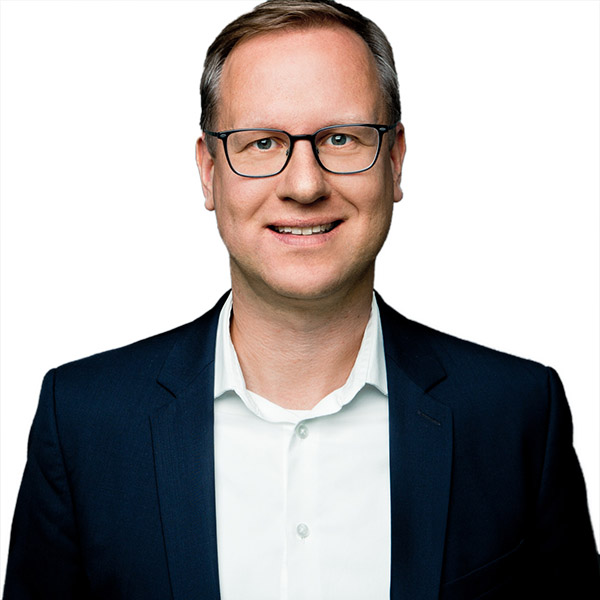
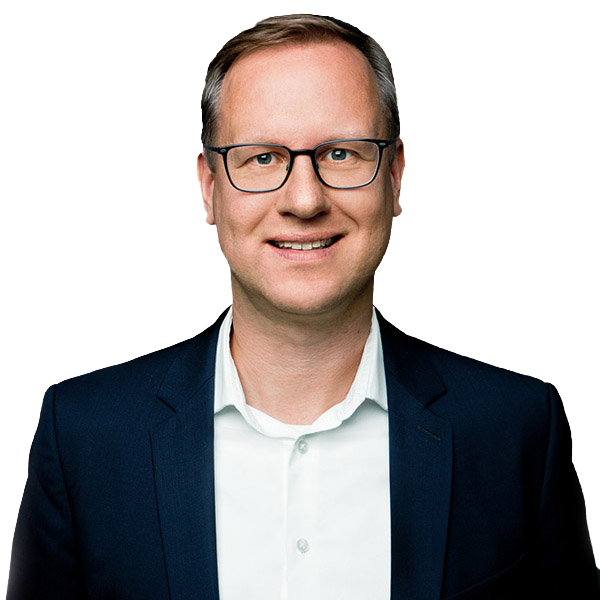
Daniel Zinner is an international HR expert, entrepreneur, and communications consultant. His expertise lies in HR, strategy, digitalisation, and transformation strategy.