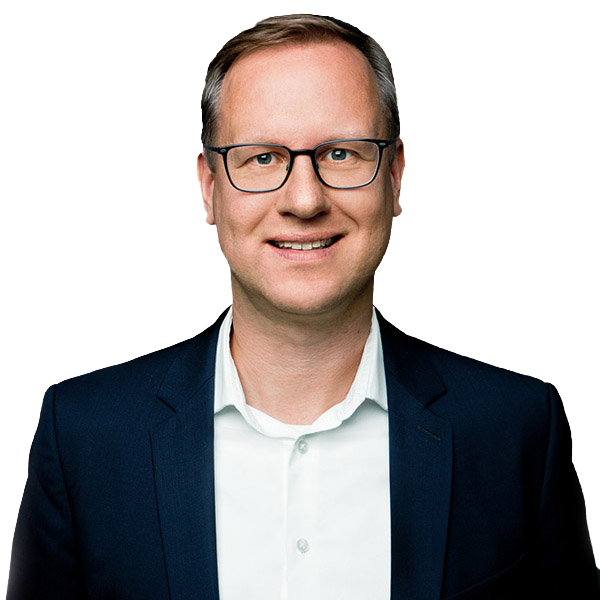
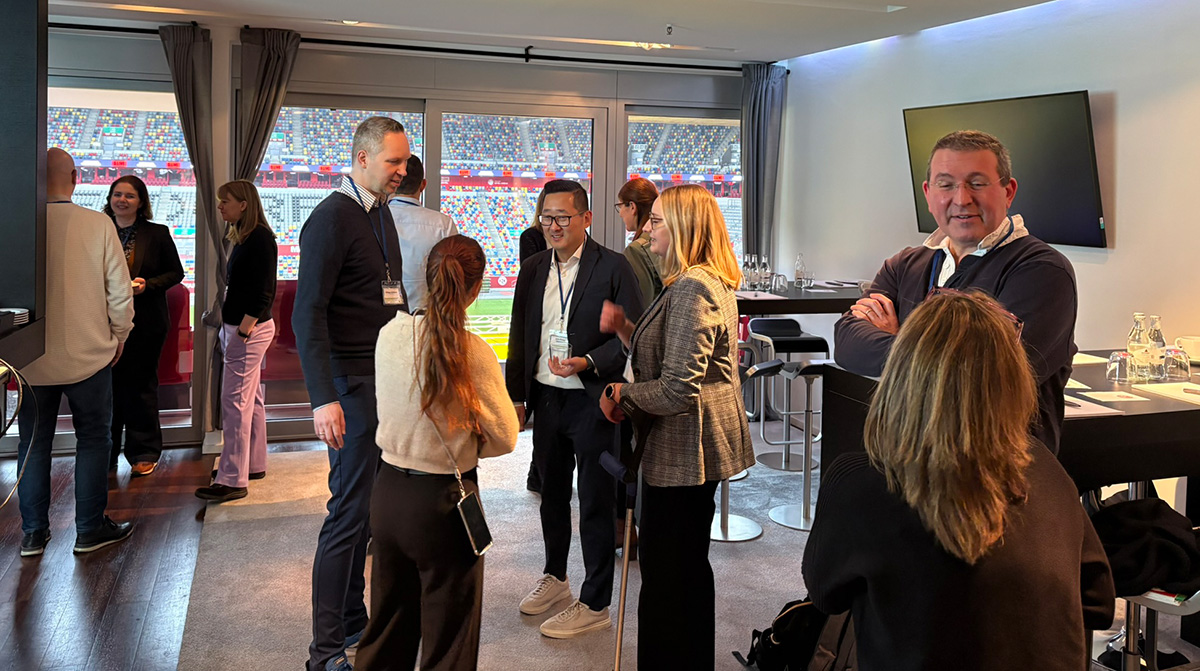
On January 27th, 2026, we gathered at the iconic Fortuna Düsseldorf Stadium for a workshop that asked the question many Global Mobility professionals grapple with daily: How do we move from operational support to strategic influence? Hosted by PMA Managing Partner Stefan Remhof, Benjamin Bader from MasteringGM, and Matthias Hubel from Lohr & Company, “The Strategic Shift: Repositioning GM for Real Influence” brought together GM leaders ready to challenge the status quo.
The consensus was immediate and clear: Global Mobility is stuck in a paradox. We’re essential to business success, yet often excluded from the conversations that shape it.
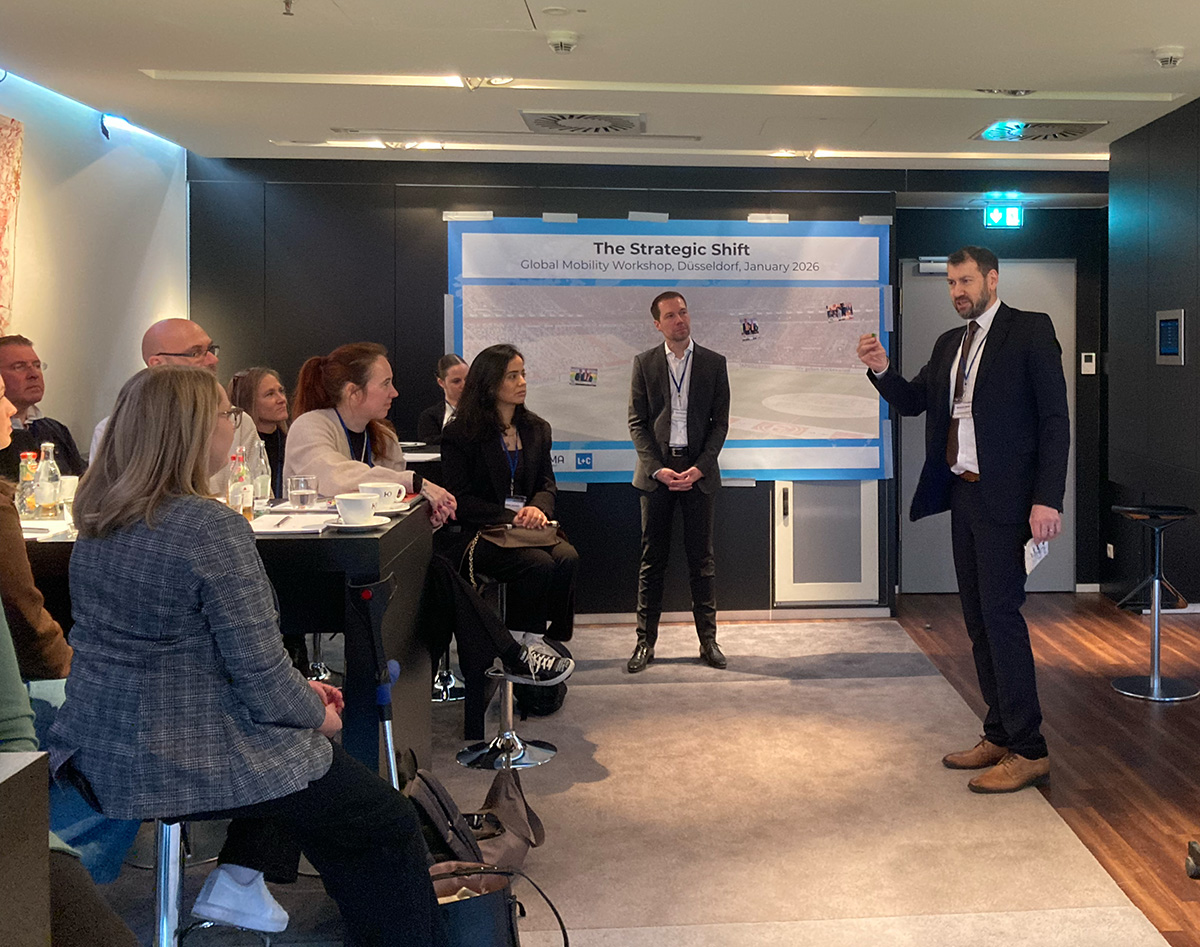
The Bird’s Eye View Problem
The day opened with a provocative observation: Global Mobility too often operates from 10,000 feet. We build comprehensive policies, create elegant frameworks, and design processes that look perfect on paper. But when these structures meet the messy reality of business needs, something breaks down.
One participant captured it perfectly during the morning session: “We’re building bridges to nowhere.” The policies exist, the compliance requirements are clear, but they don’t connect to the actual decisions being made about who goes where and why. The reality is that managers decide who gets sent on international assignments—not Global Mobility. And more often than not, we’re brought in after the decision has already been made.
This disconnect isn’t just frustrating; it’s strategic erosion. When GM operates as an order-taker rather than a planning partner, we lose our ability to shape outcomes, influence talent development, or demonstrate measurable business impact.
Inside the Black Box: Who Really Decides?
A central theme emerged as participants shared their experiences: the assignment selection process is a black box. Despite our expertise in cross-cultural competence, development planning, and success factors for international roles, GM teams are rarely involved in selection decisions. The manager picks who goes. Global Mobility processes the paperwork.
But can this process be influenced? Should it be transparent? The workshop challenged participants to confront these questions head-on. Through group discussions, it became clear that many organisations lack structured criteria for international assignments. Decisions are made based on availability, personal relationships, or assumptions about who “fits”—not on strategic talent development or business alignment.
This opacity creates problems beyond just feeling left out. Without visibility into selection, GM cannot track success rates, identify development gaps, or build the business case for better practices. We become administrators of mobility, not architects of global talent strategy.
The Compliance-Reality Gap
Perhaps the most honest moment of the day came during discussions about the tension between business reality and compliance reality. GM professionals live in this gap daily. Business wants speed and flexibility. Compliance demands structure and documentation. And Global Mobility sits uncomfortably between the two, often forced into the role of saying “no.”
But what if that’s the wrong positioning entirely? Workshop participants explored a fundamental reframing: Instead of being gatekeepers who enforce rules, what if GM positioned itself as problem-solvers who find solutions? This shift requires moving from “that’s not compliant” to “here’s how we can make this work within the framework.”
The distinction matters. One approach positions GM as an obstacle to overcome. The other positions GM as a partner in execution. The latter builds influence; the former erodes it.
From Words to Images: The Power of LEGO Serious Play®
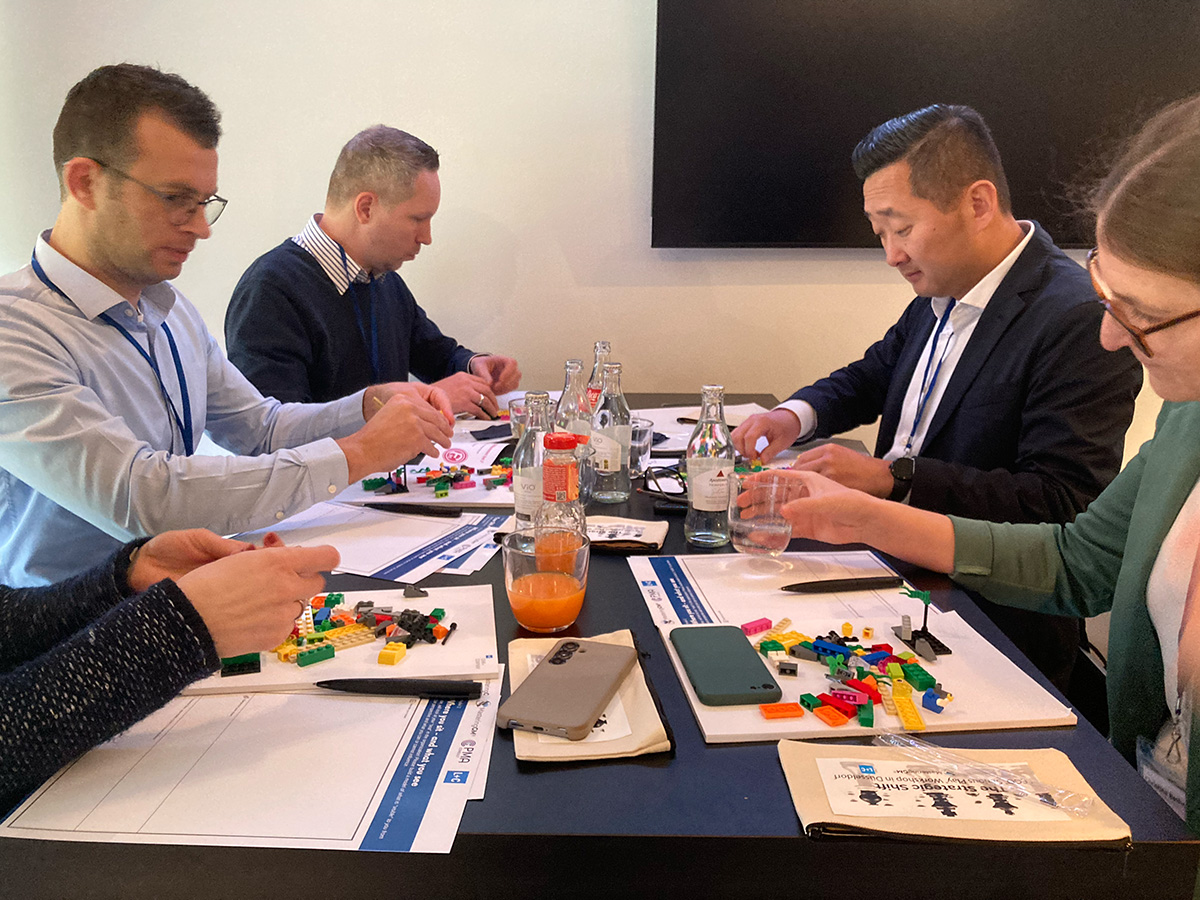
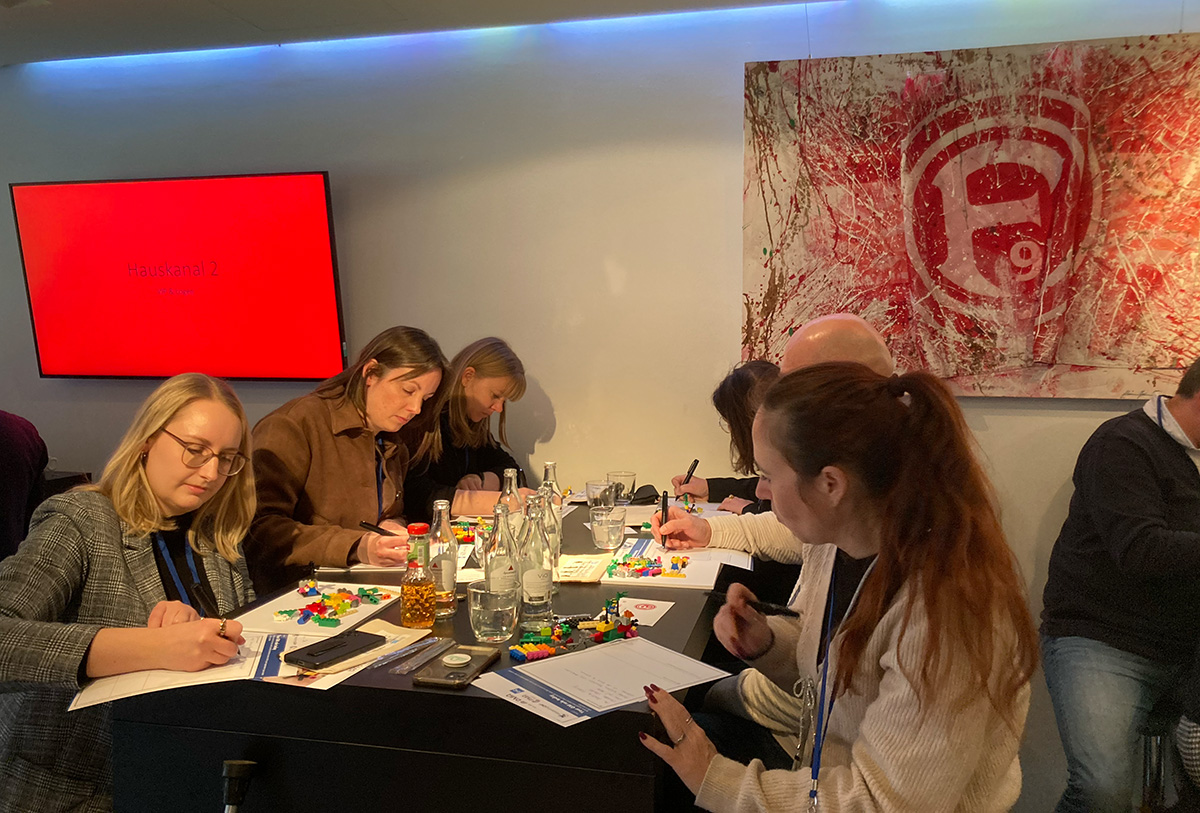
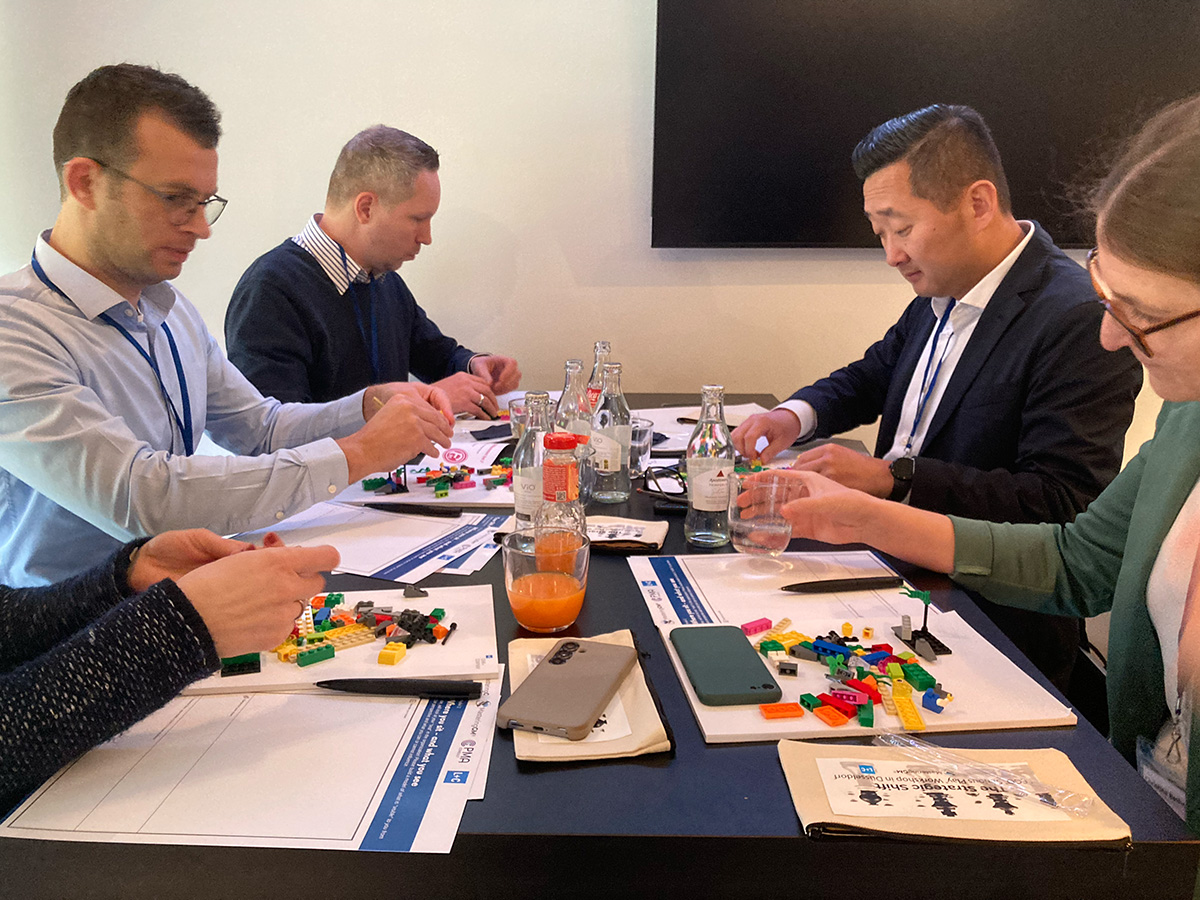
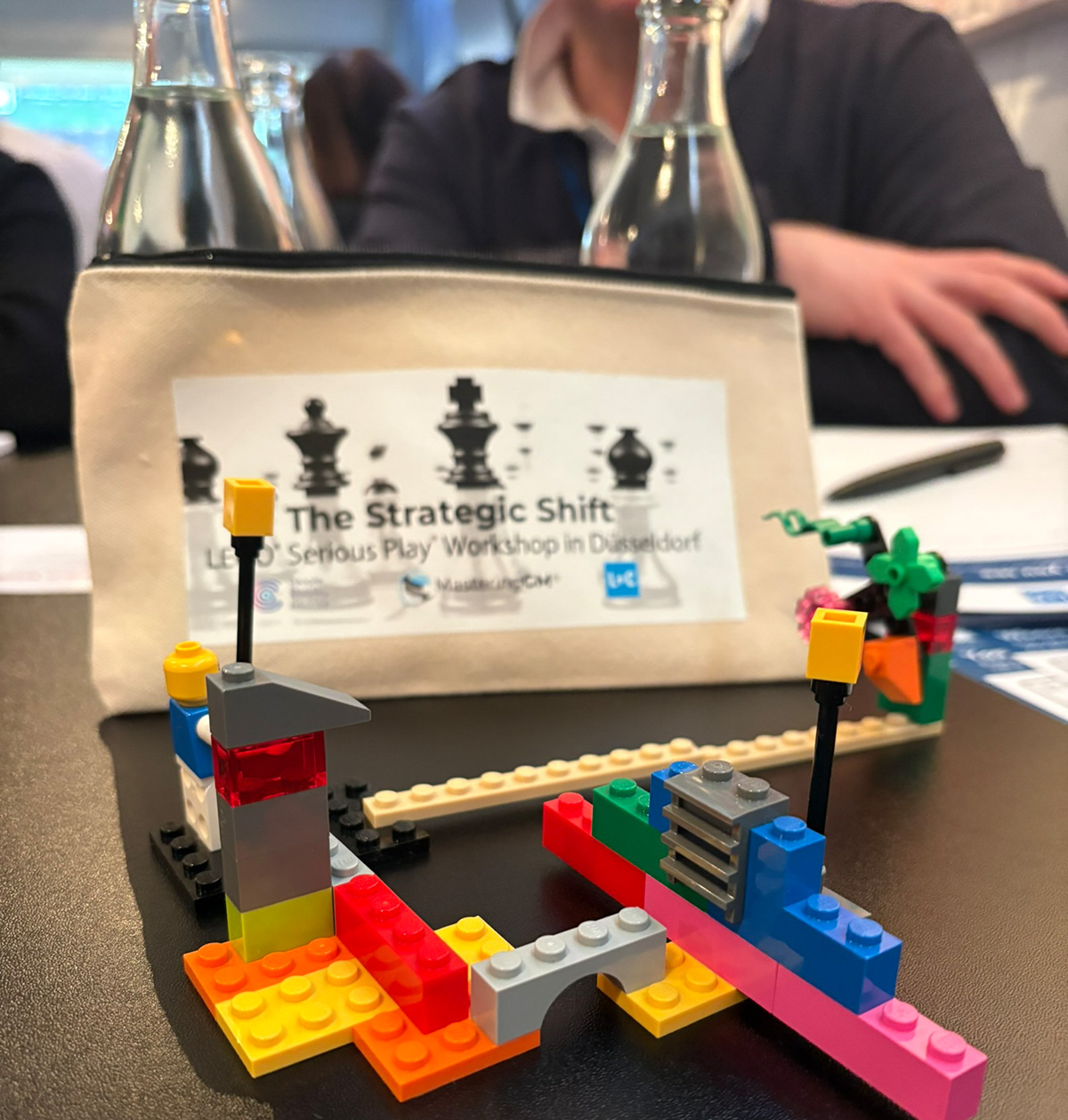
A highlight of the workshop was the LEGO Serious Play® sessions facilitated by Benjamin Bader. Using hands-on model building, participants literally constructed their vision of Global Mobility’s challenges and opportunities. What emerged wasn’t just creative—it was revelatory.
When forced to build physical representations of abstract concepts, participants uncovered insights that wouldn’t surface in traditional discussions. One model showed GM as a small figure standing between two massive walls labeled “Operations” and “Strategy”, perfectly capturing the tension many feel. Another depicted GM as a bridge under construction, incomplete because it lacked connection to the business side.
The exercise proved that when you move from words to images, you unlock different ways of thinking. Participants reported seeing their challenges with new clarity and finding creative solutions they hadn’t considered before. This is the power of experiential learning—it engages different parts of our thinking and breaks us out of familiar patterns.
Making GM Quantifiable: Finding Your Voice
“Global Mobility needs to become quantifiable” was a statement that resonated throughout the afternoon sessions. But how? The workshop tackled this challenge directly, helping participants identify metrics that matter to their organisations.
The key insight: Stop measuring what’s easy and start measuring what’s meaningful. Participant satisfaction scores and on-time completion rates are fine, but they don’t speak the language of business impact. What speaks louder? Cost per assignment versus value created. Retention rates of internationally experienced talent. Time-to-productivity in new markets. Career progression rates for assignees versus non-mobile employees.
These metrics require more work to track, but they tell a story executives actually care about. They shift the conversation from “mobility is expensive” to “mobility drives business outcomes.” And that shift is what creates a seat at the strategic table.
Participants left with frameworks for building their own measurement systems—tailored to their organisational context and business priorities. Because you can’t gain influence without being able to demonstrate impact in terms decision-makers understand.
Caught Between Operations and Strategy
The workshop didn’t shy away from addressing GM’s identity crisis. Are we an operational function that ensures compliance and smooth logistics? Or are we a strategic function that shapes global talent development and workforce planning? The uncomfortable truth is that most GM teams are caught between both: expected to deliver operational excellence while somehow also being strategic advisors.
This tension is exhausting. It’s also why so many GM professionals feel undervalued. You can’t be excellent at execution and simultaneously available for strategic planning when you’re underwater with case management. The workshop explored how leading organisations are resolving this through clear role differentiation, leveraging technology for operational efficiency, and deliberately carving out space for strategic work.
One participant shared their organisation’s approach: They created distinct “GM Operations” and “GM Strategy” functions, with different KPIs and stakeholder relationships. While not every organisation can restructure this way, the principle applies broadly: Intentionally create capacity for strategic work, or it will never happen.
The Question That Drives Change: What Does GM’s Future Look Like?
The workshop concluded with the most important question of all: What does the future picture of Global Mobility look like in your organisation? Not the industry standard, not best practices from someone else’s company: what does success look like in your specific context?
Participants worked through building their own strategic blueprints, considering their organisational structure, business priorities, stakeholder landscape, and personal influence. The goal wasn’t to create a perfect plan but to leave with a clear first step and a roadmap for building momentum.
Some committed to conducting stakeholder mapping to understand decision-making flows. Others pledged to develop business cases for specific process changes. Many planned to initiate conversations they’d been avoiding, with business leaders, with HR partners, with their own teams about repositioning GM’s role.
The energy in the room was palpable. Not because anyone claimed to have all the answers, but because the questions were finally the right ones.
Three Breakthrough Insights From the Day
1. Influence Starts With Visibility:
You cannot influence decisions you’re not aware of. The first strategic shift is simply being in the room—or getting yourself invited. This requires proactive stakeholder engagement, demonstrating value repeatedly, and sometimes asking for the invitation explicitly.
2. Operations and Strategy Require Different Mindsets:
Excellence in case management doesn’t automatically translate to strategic influence. GM professionals need to deliberately develop strategic capabilities—business acumen, data literacy, stakeholder management, and commercial awareness. These aren’t optional extras; they’re core competencies for modern GM.
3. The Business Case Is Your Lever:
Every request for resources, every process change, every attempt to influence selection decisions requires a compelling business case. This is where data, storytelling, and strategic framing come together. Workshop participants practiced crafting these cases—and discovered that the discipline of building them clarifies your own thinking as much as it persuades others.


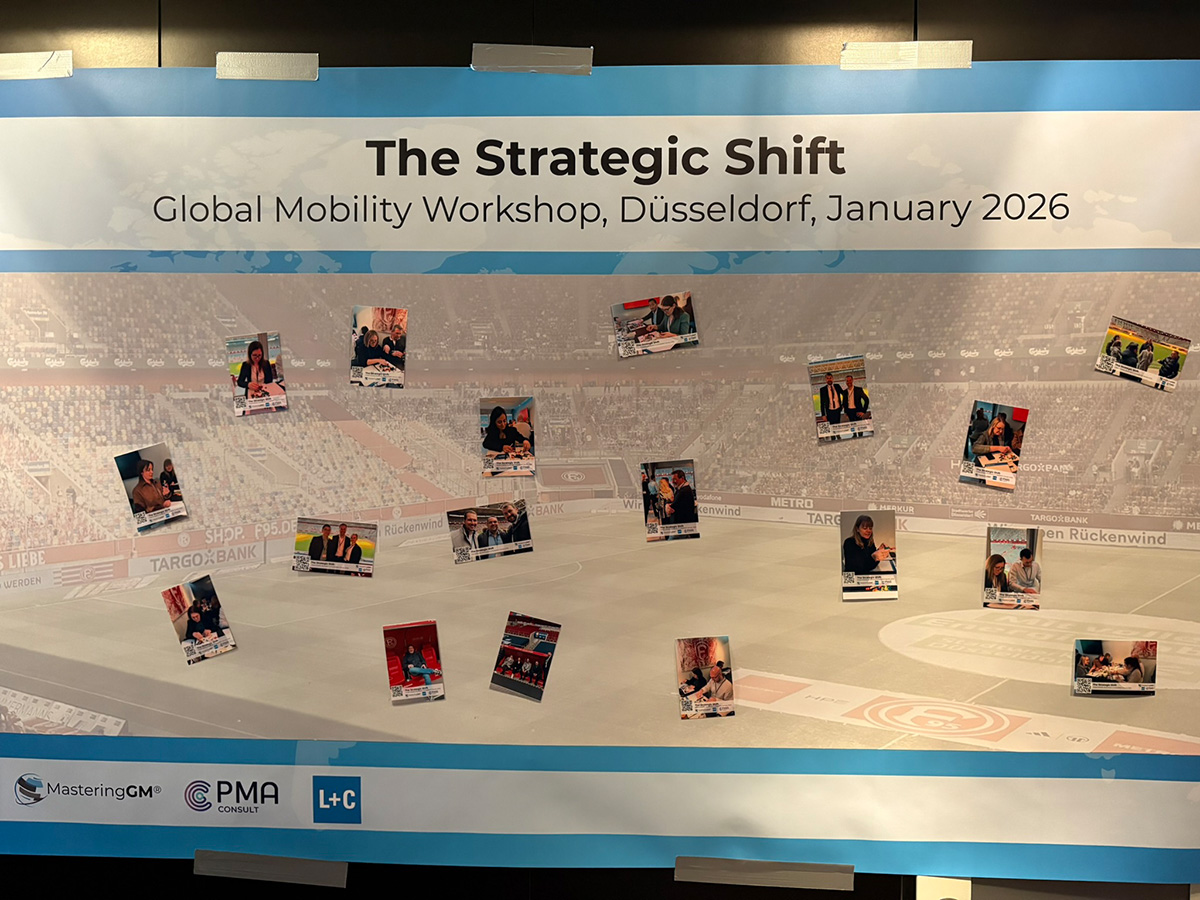
From Stadium Tour to Strategic Shift
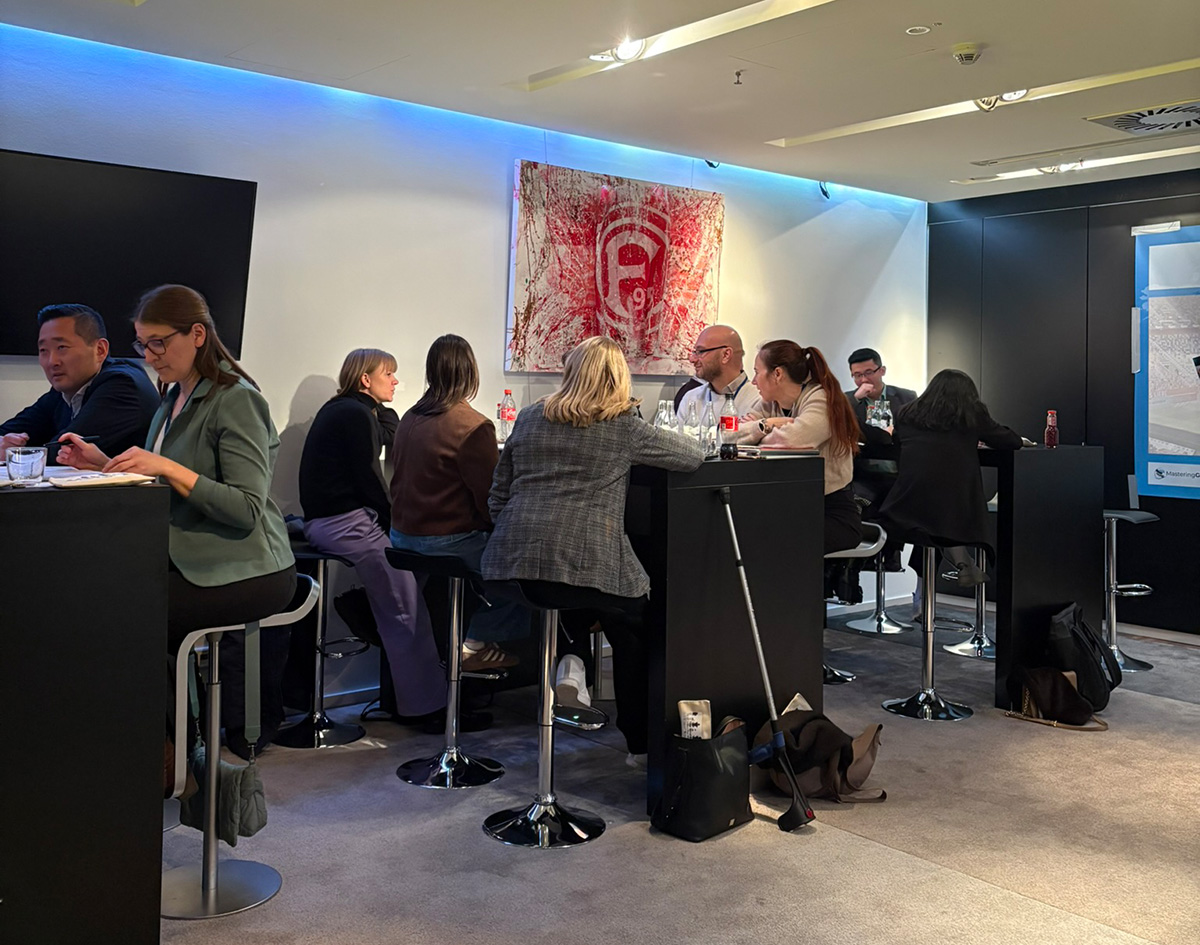
The day ended with a private tour of the Fortuna Düsseldorf Stadium—a powerful metaphor for the workshop’s themes. Standing on the pitch, participants reflected on the view from the centre field versus the sidelines. The perspective is completely different when you’re in the game rather than watching from the edges.
That’s the shift Global Mobility must make. We need to move from reactive service provision to proactive strategic partnership. From processing decisions to shaping them. From measuring activities to demonstrating impact.
This isn’t about abandoning operational excellence. That remains essential. It’s about ensuring operational excellence isn’t our only contribution. It’s about claiming the strategic space that Global Mobility’s expertise justifies.
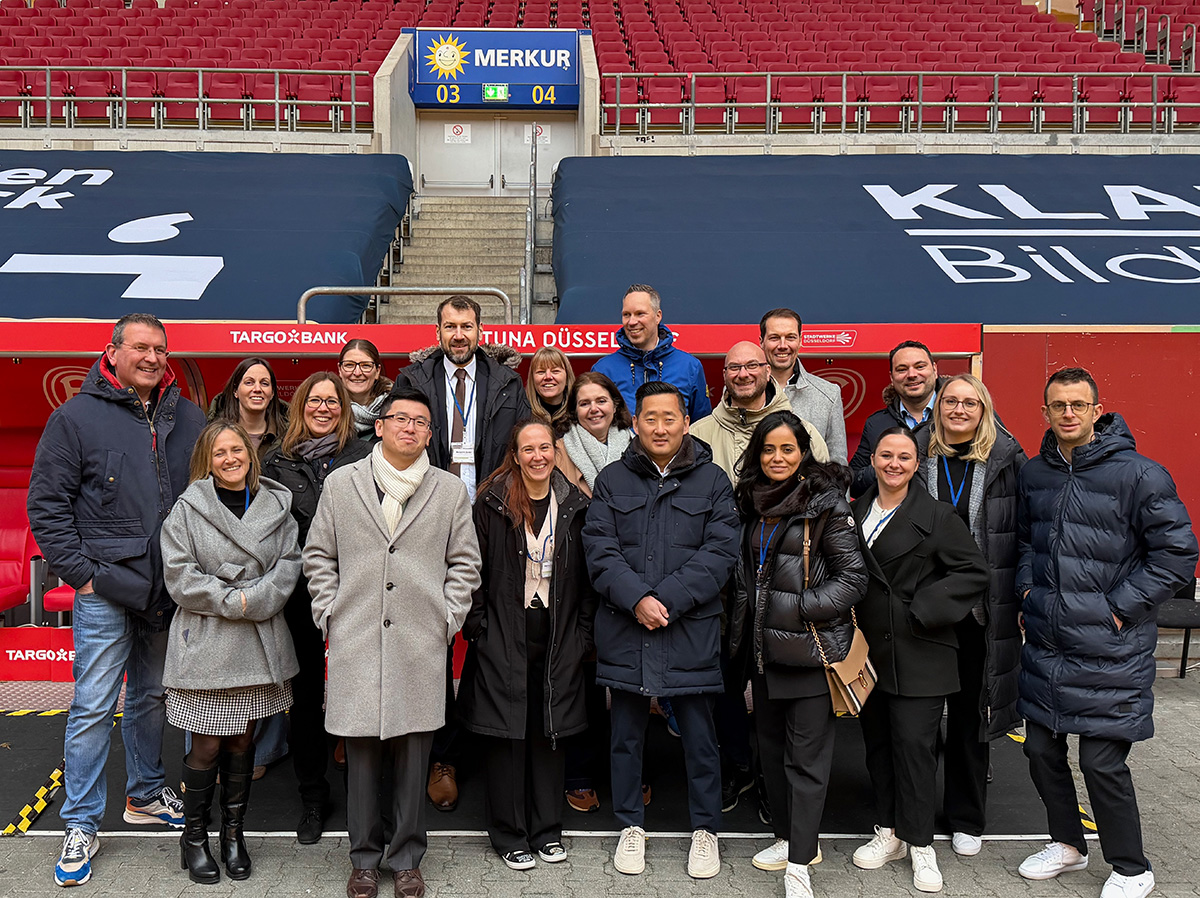
Join the Movement
We’re grateful to everyone who participated in this important conversation, and to our partners Lohr & Company for hosting us in this exceptional venue. The need for Global Mobility to reposition itself is urgent. Organisations are making global workforce decisions every day, and GM should be integral to those conversations.
If you’re ready to shift from the sidelines to centre field in your organisation, we’re here to support that journey. Whether through our upcoming workshops, the strategic capabilities developed in PMA Academy’s courses, or consulting partnerships that help reframe GM’s role—we’re committed to elevating this profession.
Interested in bringing these insights to your team?
Explore our PMA Academy programs focused on strategic positioning, business case development, and stakeholder management for Global Mobility leaders.
The question isn’t whether Global Mobility should have strategic influence. The question is: What are you doing to claim it?
Missed this workshop? Check our next workshops: Events – People Mobility Alliance
Join our newsletter to stay informed about upcoming opportunities to connect with the community driving People Mobility’s strategic evolution.
Author:

Stefan Remhof is Managing Partner of the People Mobility Alliance and Professor of International Management at IU International University. He possesses extensive expertise in global mobility, expat management, and international assignments.