Here at PMA, we believe in fostering conversations that matter. Our recent workshop, “Futureproof GM: AI, Innovation, and Human-Centric Mobility,” did exactly that, bringing together a diverse group of motivated Global Mobility professionals from leading international companies. The room was buzzing with a shared sense of curiosity and a pressing question: how do we harness the power of AI without losing the very human essence of our function?
This article delves into the key insights, shared challenges, and collective vision that emerged from our collaborative session.
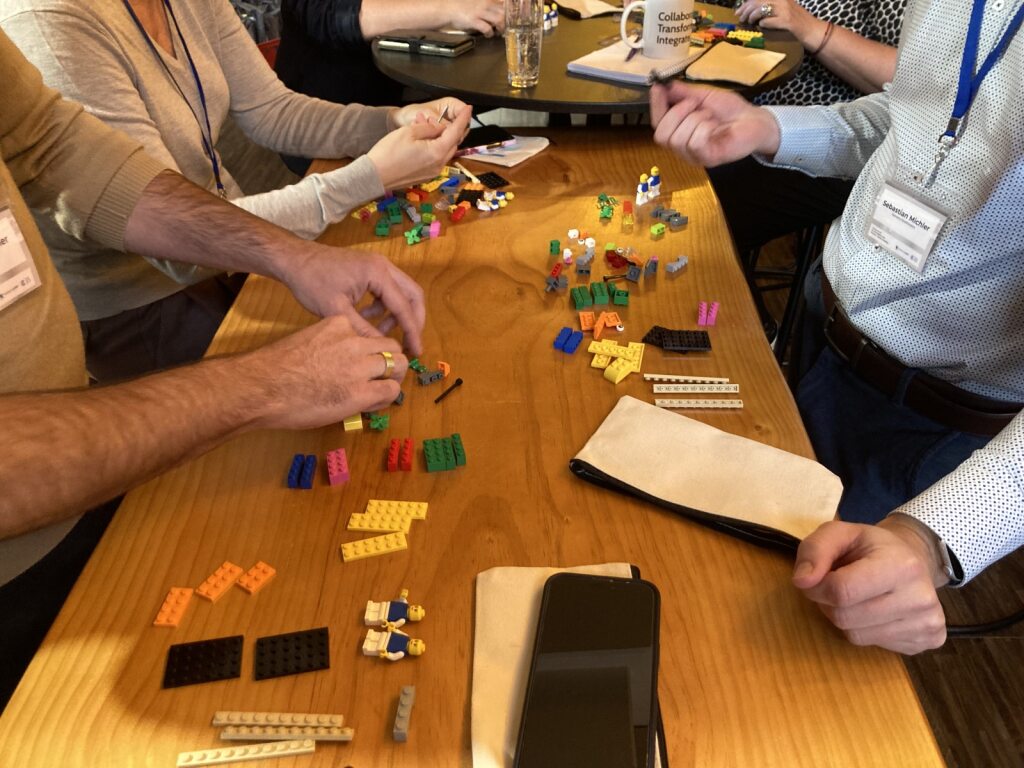
A powerful metaphor emerged from this process, beautifully articulated by a participant: “AI is like a flower. We have to bring it to blooming.” This sparked a profound dialogue on what it means to “nurture” AI in a GM context. What are the right conditions for growth? Where do we set boundaries? While AI promises streamlined communication and efficient processes, its success is inextricably linked to human factors — our techniques, our knowledge, and our judgement.

This metaphor also brought to light the nuanced views around AI’s role in communication and employee experience. Some participants questioned whether chatbots could ever replace the human touch, noting that while they offer 24/7 support, “they lack the personalised understanding needed for complex, individual cases.” As one participant pointed out, “You can trust the knowledge, but not the touch of personalisation — at least not in the next year.” Yet others acknowledged that AI remains an advantage when the right use cases are identified. The group also recognised practical applications, such as companies needing AI to create documents efficiently, provided that compliance and data security are handled with care — especially since “50 percent of questions asked to AI may risk violating company data protection.”
Guided by this metaphor, we steered the conversation towards two core questions designed to provide a strategic compass:
- What does your vision of a truly human-centric GM function, empowered by AI and technology, look like?
- How do we leverage these tools not just for efficiency, but to create genuine, measurable value?
The collective takeaway was unequivocal. Employees want to be seen as people, not cases. The ultimate promise of AI is not to automate human interaction away, but to gift us the most valuable resource we have: time. Time to build trust, ensure safety, and provide personalised support. By allowing AI to handle complexity and create clean, effective processes, we can re-focus our expertise on the empathetic, high-touch areas that define an exceptional mobility experience.
The attendees further emphasised that employee experience itself must remain central to any AI integration. Offering employees a choice in how they use AI tools was seen as a meaningful way to enhance engagement and trust. As one participant said, “We are open to AI from a user-experience perspective, but it is not replacing humans.” Another attendee added that while HR teams are optimistic about AI’s functionality, “they haven’t yet set their goals and are still exploring,” suggesting that the journey toward AI readiness requires both experimentation and reflection.
Key Takeaways and The Road Ahead
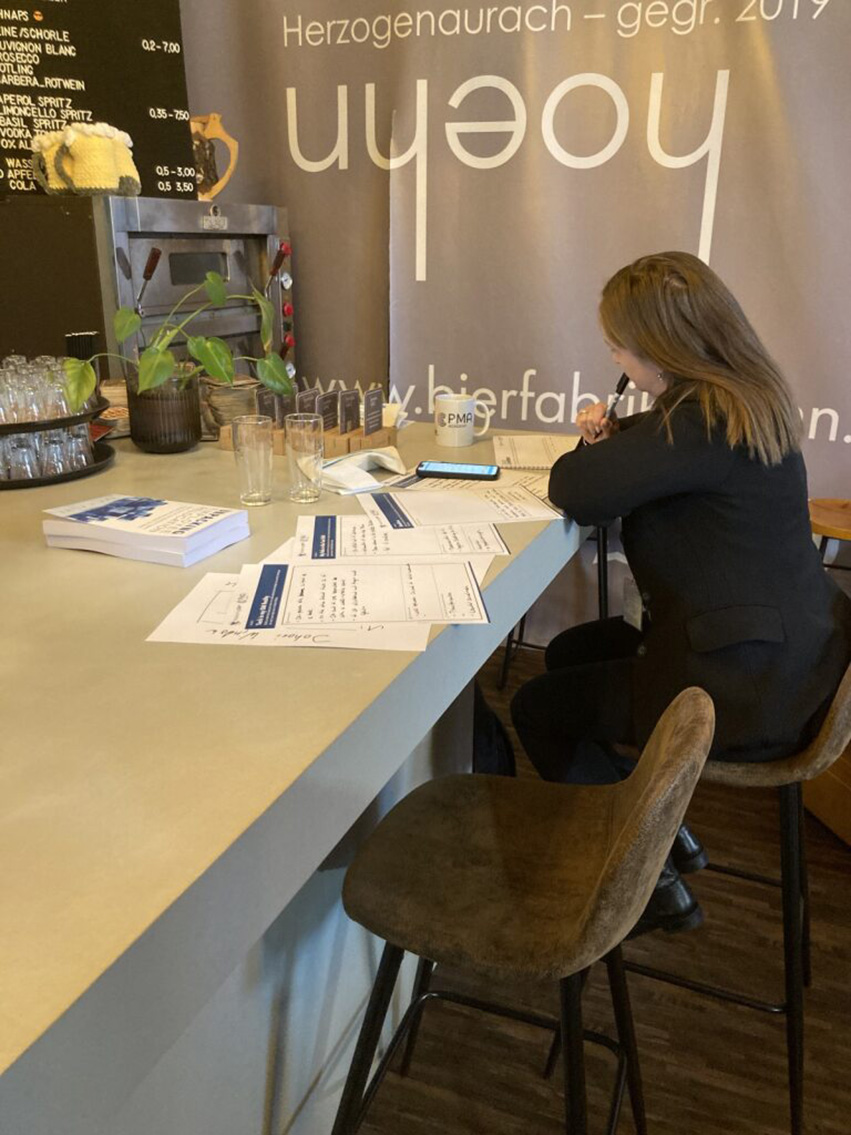
The workshop culminated in each participant crafting a personalised AI-Ready GM Playbook. Beyond these actionable plans, the session solidified several critical insights for the industry:
- The Human Touch is the North Star: AI is a powerful enabler, but the goal is always a more human, empathetic employee experience. Every implementation must be preceded by the question: “How does this put our employees at the centre?”
- Leadership Must Provide the Soil: For AI to bloom, it requires clear direction and structure from leadership. We must collectively ask: “Do our teams walk in the same strategic direction? What organisational structures support this journey?”
- Acknowledging the Resource Question: A crucial, unresolved question remains, demanding our attention: ”What specific resources — time, budget, and talent — are essential to implement AI in GM effectively and responsibly?”
The consensus was clear: AI can elevate the Global Mobility function, but only when rooted in transparency, human connection, and strategic intent.

A heartfelt thank you to all the participants who shared their perspectives so openly and to Benjamin Bader from MasteringGM for a tremendously collaborative partnership. The energy and outcomes were a testament to the power of working together.
The conversation on AI is just beginning. For those ready to take the next step from strategic discussion to practical skill-building, we invite you to explore our PMA Academy course, “AI Prompting in Global Mobility.” This is where we move from understanding the “why” to mastering the “how,” equipping you with the skills to communicate effectively with AI and bring your human-centric vision to life.
Author:
Stefan Remhof is Managing Partner of the People Mobility Alliance and Professor of International Management at IU International University. He possesses extensive expertise in global mobility, expat management, and international assignments.