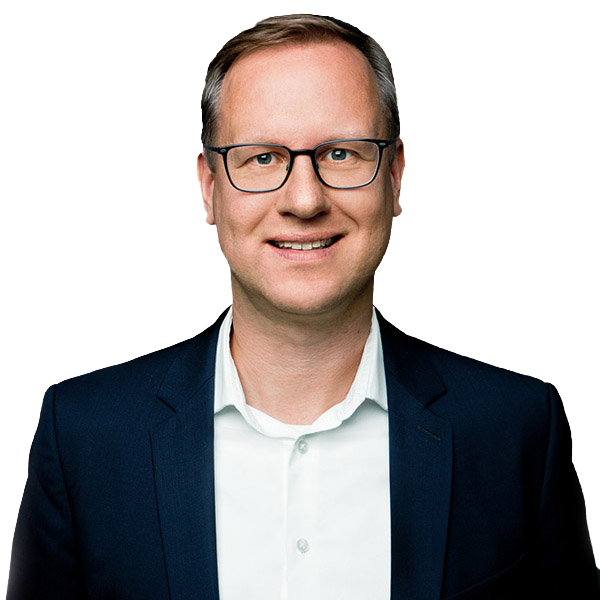
At the TrafoBeat – Multiply Your Workforce conference in April, PMA co‑founder Daniel Zinner delivered a clear message:
Germany won’t solve its skilled labour shortage without a global mindset. His talk — titled “#GoodMorningVietnam – Wake up! We need to rethink the German labor market and recruitment through a global lens.” — challenged HR, leadership, and policymakers to rethink how talent is sourced, welcomed, and retained.
Germany’s labour market reality: the numbers don’t add up
Germany needs around 400,000 additional skilled workers per year just to keep economic performance stable. At the same time, roughly 800 million people worldwide are open to working abroad. The gap isn’t a lack of talent — it’s a lack of reach, courage, and structures that actually work for international hires.
Too often, companies still recruit locally by default. The idea that “Matthias and Lena from the next village” will fill every role no longer holds. Even traditional target regions in Eastern Europe cannot close the gap alone. The conclusion: hiring needs to go global — and so does the way we think about people practices.
Diversity is not a slogan — it’s a workforce strategy
The conference surfaced sharp questions that many companies still avoid:
- Are only young people “high potentials”?
- What happens if women remain stuck in part-time roles while full-time capacity shrinks?
- Which diversity efforts actually change structures — and which sit only on slides?
- How do we keep knowledge from retiring boomers while teams get leaner and more digital?
These aren’t academic debates. They determine whether companies will still be competitive five years from now. Diversity that stops at the border won’t fix the problem. Global hiring must be followed by real cultural onboarding, language support, and long-term career paths.
Global recruitment is step one — the harder part comes after
Hiring abroad is only the start. What follows is much more complex:
- Visa processes, social security, payroll
- Language learning and daily life support
- Family inclusion
- Role clarity and career development
- Long-term retention
Daniel’s point was clear:
“We shouldn’t fear the baby boomer labour market exit — there are solutions. The question is: how do we spread the needed mindset change across the board?”
Retention isn’t “keeping people at all costs.” It’s creating reasons to stay — purpose, growth, flexibility, fairness.
Flexibility is no longer a perk
Workation, remote setups, hybrid models, location-agnostic careers — these are now standard expectations, not fringe benefits.
- The new hire from India may want to spend two months a year with family back home.
- A German employee wants to work from a van in Spain.
- Teams want better autonomy with clear rules.
Full return-to-office pushes feel like a throwback. At the same time, fully remote doesn’t fit every role or sector. The answer lies in hybrid setups that match the job, not tradition — and in frameworks that are legally sound and people-centered.
From HRTech to WorkTech to PeopleTech
Daniel traced a shift:
- HRTech: managing systems at scale
- WorkTech: humans and machines collaborating
- PeopleTech: people and tech working together — with direct, meaningful interaction
Technology shouldn’t just digitise a form. It should help people understand each other, work better together, and make smarter choices.
What companies can do now
- Look abroad — seriously. Don’t wait for the perfect match in a shrinking local pool.
- Build welcoming structures: cultural onboarding, language, family support, clear career paths.
- Offer flexibility with guardrails: hybrid policies that work across roles and countries.
- Use tech to reduce admin, not replace people.
- Tell better stories with data: show leadership what global hiring actually delivers.
- Treat retention as design work: fair pay, autonomy, psychological safety, belonging.
Or, in Daniel’s words:
“Start with what’s already possible — don’t wait for perfect systems or circumstances. Whether you’re an individual, a corporation or a provider — that’s our #MissionPossible.”
Where PMA stands
At PMA, we work with companies that want to act — not wait:
- PMA Academy: upskilling on Global Mobility, PeopleTech, AI, vendor strategy, and more
- International HR Tech Conference: a platform for sharing tools, approaches, and real cases
- Consulting: building GM functions, policies, and global collaboration models that actually work in practice
If Daniel’s talk resonated with you, let’s talk.
Germany doesn’t lack talent. It lacks a broader view — and the systems to back it up.
#MissionPossible starts with mindset — and turns into structures that make people want to stay.
Author: Daniel Zinner
International HR expert, entrepreneur, and communications consultant.
Co-Founder People Mobility Alliance